Running a bustling commercial kitchen feels a bit like conducting a high-stakes orchestra, doesn’t it? Every element, from the sizzle on the griddle to the clang of pots and pans, needs to be in perfect harmony for service to flow smoothly. Yet, one often-overlooked hero in this culinary symphony is the humble Commercial Kitchen Dish Drying Rack. It’s more than just a place to put wet dishes; it’s a critical component for efficiency, hygiene, and the longevity of your valuable tableware.
Imagine a world without an effective drying system – soggy counters, chipped plates, and an ever-present risk of bacterial growth. Not exactly appetizing, right? That’s why choosing the right dish drying rack for your commercial kitchen isn’t just about convenience; it’s about safeguarding your reputation, streamlining operations, and ensuring every plate, glass, and utensil is impeccably clean and ready for its next act. Let’s dive deep into understanding these unsung heroes of the dishroom.
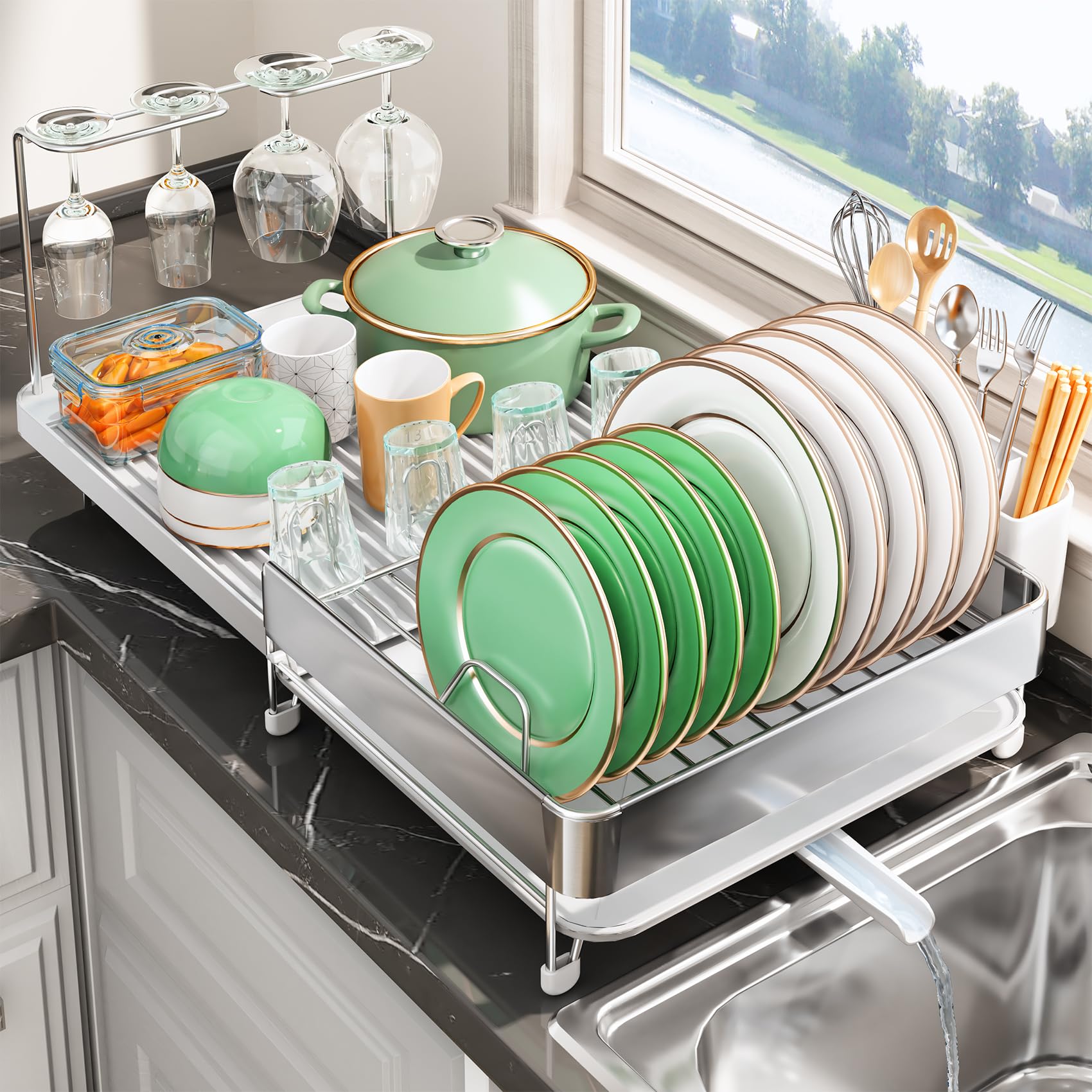
Why Your Commercial Kitchen Needs the Right Dish Drying Rack
In the fast-paced environment of a commercial kitchen, every second counts. Dishes need to move from wash to dry to service with minimal fuss. A well-chosen commercial kitchen dish drying rack accelerates this process, ensuring optimal airflow for rapid drying and preventing the dreaded “wet nesting” that can lead to water spots and bacterial growth. Beyond speed, these racks are instrumental in preventing breakage, organizing your workspace, and maintaining the stringent hygiene standards essential in any food service establishment. They are the silent workhorses that keep your operation running like a well-oiled machine.
Decoding the Different Types of Commercial Dish Drying Racks
The world of commercial dish drying racks is far more diverse than you might think, with specialized designs tailored for every kind of ware. Understanding these categories is the first step to optimizing your dishroom.
Dishwasher Racks with Drying Capabilities
Many commercial dishwashing racks are designed to do double duty: holding items securely during the wash cycle and then facilitating drying afterwards.
- Peg Racks: These are the workhorses for plates, bowls, and larger trays. Their upright pegs keep items separated, allowing water to drain thoroughly and air to circulate. This design not only ensures a spotless dry but also significantly reduces the risk of chipping and breakage during handling.
- Compartment/Glass Racks: Delicate glassware, from wine glasses to pint tumblers, requires special attention. Compartment racks feature individual sections that cradle each piece, preventing clinking and shattering. Many come with extenders for taller stemware, ensuring even your most fragile items emerge sparkling and dry.
- Flatware Baskets/Cylinder Racks: Cutlery, often the most numerous item, needs a system that ensures every fork, knife, and spoon gets clean and dries efficiently. These baskets hold flatware upright, maximizing exposure to air and minimizing water retention.
- Flat/Open Racks: These versatile racks feature an open mesh bottom, making them suitable for a variety of smallwares or as a base for other specialized inserts. They ensure excellent drainage and airflow for items that don’t require individual compartments.
Standalone Commercial Drying Solutions
For items that can’t go through a commercial dishwasher, or for kitchens that require additional drying space, standalone racks are invaluable.
- Universal/Tray Drying Racks: Whether you’re dealing with cafeteria trays, sheet pans, cutting boards, or large pots and pans, these robust racks provide dedicated space. They often feature adjustable tiers and ample spacing to accommodate bulky items, promoting thorough air drying.
- Wall-Mounted Racks: When counter space is a premium, wall-mounted drying racks offer an ingenious solution. They keep items off valuable work surfaces, promoting an organized and uncluttered kitchen while still allowing for effective air drying.
- Mobile Drying Racks: Agility is key in a dynamic kitchen. Mobile drying racks, equipped with sturdy casters, allow you to transport clean, wet items to a designated drying area or move the rack out of the way when not in use. This flexibility can dramatically improve workflow in busy environments.
Key Materials for Commercial Kitchen Dish Drying Racks: Durability Meets Hygiene
The material of your commercial kitchen dish drying rack directly impacts its longevity, cleaning ease, and, most importantly, its hygienic properties.
- Stainless Steel: The gold standard for commercial kitchens, stainless steel racks are prized for their exceptional durability and resistance to corrosion and rust. Its non-porous surface is a barrier against bacterial growth, making it incredibly hygienic and easy to clean. While a higher initial investment, its lifespan and performance often justify the cost.
- Aluminum: A lighter and often more budget-friendly alternative, aluminum racks offer good rust resistance and high tensile strength. They are easy to move and handle, making them a practical choice for many operations.
- High-Grade Plastics/Polymers: Increasingly popular, especially for dishwasher racks, composite plastics and polymers are designed to withstand the high heat and harsh chemicals of commercial dishwashers. Many modern polymer racks also incorporate antimicrobial protection, like Microban, directly into the material, actively inhibiting bacterial growth and enhancing overall sanitation. These materials are often dishwasher-safe themselves, simplifying cleaning.
It’s worth noting that materials like wood or bamboo, while popular in domestic settings, are generally unsuitable for commercial kitchens due to their porosity, which can harbor bacteria, and their susceptibility to warping and degradation in high-moisture, high-volume environments.
Factors to Consider When Choosing Your Commercial Dish Drying Rack
Selecting the ideal commercial kitchen dish drying rack isn’t a one-size-fits-all scenario. It requires a thoughtful assessment of your specific operational needs.
Kitchen Size and Layout
First things first, take a good look at your space. Do you have ample counter space for a stationary rack, or would a wall-mounted or mobile solution be more appropriate for a compact kitchen? “Optimizing your layout with the right drying solutions can transform a cramped dishroom into an efficient workspace,” advises Emily Watson, a Commercial Kitchen Consultant. Mobile racks can be a game-changer, allowing you to reconfigure your dishroom on the fly to accommodate different shifts or peak hours.
Types of Ware
What are you primarily drying? Are you processing hundreds of plates daily, or is your focus on large catering trays and pots? Your inventory dictates the rack types you’ll need. A restaurant heavily reliant on glassware will prioritize compartment racks with extenders, while a bakery might lean towards universal racks for sheet pans. A balanced approach often involves a combination of specialized racks.
Hygiene and Sanitation Features
In a commercial setting, hygiene is paramount. Look for racks designed to promote maximum airflow for faster drying, which naturally inhibits mold and bacterial growth. Integrated drip trays are essential to collect excess water, preventing puddles on floors and promoting a safer, drier environment. Materials that are easy to clean, non-porous, and potentially feature antimicrobial properties should be high on your list.
Durability and Longevity
Commercial equipment endures significant wear and tear. Invest in racks constructed from heavy-duty materials like high-grade stainless steel or robust polymers that can withstand constant use, impacts, and repeated cycles through powerful commercial dishwashers. Durability extends the lifespan of your investment and reduces replacement costs.
Capacity and Workflow
Consider the volume of dishes you process during peak hours. Does your chosen rack system have the capacity to handle this demand without causing bottlenecks? Think about how the racks integrate into your existing workflow—are they easy to load and unload? Do they facilitate a logical flow from washing to drying to storage? An efficient system ensures smooth operation, even under pressure.
Maximizing Efficiency: Tips for Using and Maintaining Your Dish Drying Racks
A top-notch commercial kitchen dish drying rack is only as good as how it’s used and maintained. Here’s how to get the most out of your drying system:
- Load Smart, Not Just Fast: For peg racks, always load plates upright between the pegs, never stack them flat. For compartment racks, ensure glassware is properly seated. “Proper loading isn’t just about fitting more in; it’s about guaranteeing every item gets the air it needs to dry completely,” states Michael Lee, a Kitchen Product Engineer. Overloading hinders airflow and can lead to chipping.
- Clean Regularly and Thoroughly: Just like your dishes, your drying racks need cleaning. Depending on the material, wash them with warm, soapy water or run dishwasher-safe components through your commercial dishwasher regularly. Pay special attention to drainage areas to prevent residue buildup.
- Ensure Complete Drying: After cleaning, make sure the rack itself is thoroughly dry to prevent mold or mildew growth. This is especially crucial for modular systems where moisture can get trapped between components.
- Inspect for Wear and Tear: Regularly check for worn or broken pegs, cracks in compartments, or signs of corrosion. Damaged racks can scratch dishes or impede smooth movement through a conveyor system. Prompt replacement or repair can save you money and headaches in the long run.
The Undeniable Benefits of a Well-Designed Drying System
Implementing the right commercial kitchen dish drying rack system yields a cascade of positive outcomes for your business:
- Improved Hygiene & Food Safety: Proper air circulation and efficient drainage significantly reduce the risk of bacterial growth, ensuring your dishes meet the highest sanitation standards.
- Extended Lifespan of Dishware & Equipment: By preventing wet nesting, chipping, and breakage, well-designed racks protect your investment in expensive tableware and kitchen equipment.
- Increased Kitchen Efficiency & Workflow: A streamlined drying process means faster turnaround, allowing your staff to focus on other critical tasks and keep service moving seamlessly.
- Space Optimization: Vertical and wall-mounted solutions free up valuable counter and floor space, creating a more organized and less cluttered work environment.
- Reduced Breakage: Securely holding items in dedicated compartments or between pegs minimizes movement and impact, drastically cutting down on costly breakages.
Expert Insight: What the Pros Say About Dish Drying Racks
“Many kitchens focus intensely on their dishwashing machines, but the drying phase is just as critical,” explains Emily Watson, a seasoned Commercial Kitchen Consultant. “A high-quality commercial kitchen dish drying rack system is not an accessory; it’s a fundamental part of the entire warewashing ecosystem. It directly impacts hygiene, operational flow, and even your bottom line by reducing damage and speeding up service. Don’t underestimate its power.”
Frequently Asked Questions (FAQ)
Q: How often should commercial dish drying racks be cleaned?
A: Commercial dish drying racks should be cleaned daily, ideally after each use or at the end of a shift, to prevent food residue and mineral buildup. Components that are dishwasher-safe should be run through the dishwasher regularly, and non-dishwasher-safe parts should be scrubbed with warm, soapy water and thoroughly dried.
Q: Can commercial dish racks be used for storage?
A: Yes, many commercial dish racks are designed for dual use, serving as both drying and storage solutions. They help keep cleaned items organized and protected from contaminants before they are put away or reused. Always ensure items are completely dry before storing to maintain hygiene.
Q: What’s the best way to prevent water spots on glasses?
A: To prevent water spots, ensure glasses are placed in compartment racks that allow maximum airflow. Using a rinse aid in your commercial dishwasher and ensuring thorough air drying (avoiding towel drying which can reintroduce lint or germs) are also key. Some facilities use de-ionizing water for a spot-free finish.
Q: Are there eco-friendly options for commercial kitchens?
A: While plastic racks are widely used, high-grade stainless steel and aluminum options are excellent eco-friendly choices due to their extreme durability and long lifespan, reducing the need for frequent replacements. When choosing plastic, opt for high-quality, recyclable polymers that can withstand commercial use for many years.
Q: What are the standard sizes for commercial dish racks?
A: Commercial dishwasher racks typically come in standard full-size (around 20″ x 20″) and half-size (around 20″ x 10″) dimensions, designed to fit most commercial dishwashers. Standalone drying racks, however, come in a much wider array of sizes and configurations to accommodate various kitchen needs and items.
Conclusion
The commercial kitchen dish drying rack, though often overlooked, plays a pivotal role in the success of any foodservice operation. From enhancing hygiene and extending the life of your valuable kitchenware to streamlining workflow and optimizing space, the benefits of a well-chosen system are undeniable. By understanding the different types, materials, and key considerations, you can make an informed decision that elevates your kitchen’s efficiency and maintains the highest standards of cleanliness. Invest wisely, and watch your dishroom transform into a beacon of productivity and impeccable sanitation.