Ever stared at a pile of freshly washed dishes, wondering where on earth they’re all going to dry? We’ve all been there. Your kitchen countertop is prime real estate, and a wet towel just isn’t cutting it. That’s where the humble yet mighty Countertop Dish Drying Rack comes into play, transforming kitchen chaos into organized calm. It’s more than just a place for your plates; it’s a statement about efficiency, hygiene, and smart living.
The Unsung Hero of Your Kitchen: Why Every Home Needs a Countertop Dish Drying Rack
In the hustle and bustle of daily life, our kitchens are often the heart of our homes. From hurried breakfasts to elaborate dinner parties, they see a lot of action. And with that action comes dishes – lots of them. While dishwashers are fantastic, some items, like delicate glassware, sharp knives, or oversized pots, simply demand a hand wash. This is precisely where a dedicated countertop dish drying rack becomes indispensable.
It’s not just about convenience; it’s about reclaiming your space and maintaining a clean environment. Think about it: spreading wet dishes on a towel monopolizes valuable counter space for hours, leaving you with less room for food prep or even just enjoying a clear, uncluttered view. A well-designed dish rack offers a structured solution, promoting airflow and ensuring everything dries properly without creating a damp, unhygienic mess.
“A great countertop dish drying rack doesn’t just serve a function; it seamlessly integrates into your kitchen’s flow and aesthetic, making daily chores feel less like a burden and more like a simple, organized task,” notes Emily Watson, Interior Design Expert.
Decoding the Dish Drying Rack Universe: Popular Types and Their Unique Charms
When it comes to countertop dish drying racks, there’s a surprisingly diverse world out there. Understanding the different types can help you pinpoint the perfect fit for your lifestyle and kitchen layout.
The Classic & Compact Countertop Rack: A Kitchen Staple
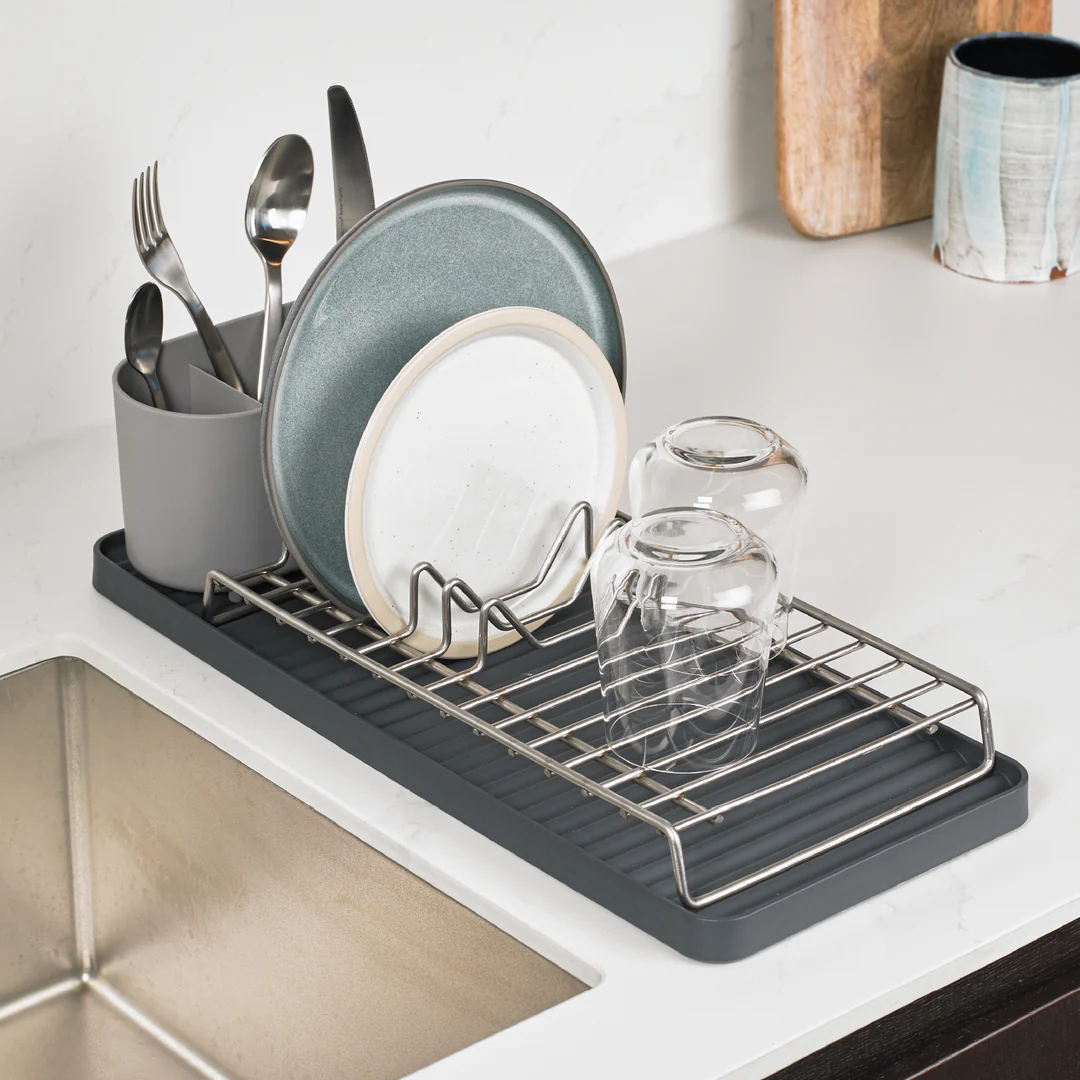
These are likely what first comes to mind – sturdy, free-standing racks designed to sit right beside your sink. They are fantastic for everyday use, providing dedicated slots for plates, cups, and bowls. Their capacity varies, from smaller models perfect for single households or light use to larger designs accommodating a family’s worth of dishes. The beauty of the classic design lies in its simplicity and reliability, often featuring a base tray to catch drips and protect your counters.
Two-Tier & Expandable Designs: Maximizing Vertical Real Estate
If you’re often washing a mountain of dishes but are short on horizontal counter space, a two-tier or expandable countertop dish drying rack might be your best friend. Two-tier racks stack dishes vertically, essentially doubling your drying capacity without taking up more footprint. Expandable versions offer flexibility, allowing you to stretch them out when you have a big load and condense them back down for smaller washes. They’re a clever way to make the most of your kitchen’s dimensions.
Foldable & Collapsible Racks: The Space-Saving Solution
For those who cherish every inch of their kitchen counter and prefer a minimalist look, foldable or collapsible dish racks are a game-changer. These designs can be folded flat or rolled up and tucked away in a drawer or cabinet when not in use. They’re ideal for smaller apartments, infrequent hand-washers, or anyone who simply doesn’t want a permanent fixture on their counter. They offer excellent versatility, popping out only when needed.
Over-the-Sink Options: Keeping Your Counters Bone Dry
Imagine a countertop dish drying rack that doesn’t even touch your counter. That’s the magic of over-the-sink models. These racks typically extend across your sink basin, allowing water to drip directly into the sink. This design is a lifesaver for kitchens with extremely limited counter space or for those who want absolute assurance that no water will ever pool on their surfaces. Some are adjustable, fitting various sink sizes, and can even double as a colander for washing fruits and vegetables.
Your Dish Rack Matchmaker: Key Factors to Consider Before Buying
Choosing the right countertop dish drying rack isn’t just about grabbing the first one you see. It’s about thoughtful consideration of your needs and kitchen environment.
Size and Your Precious Counter Space
One of the first things to consider is how much space you actually have.
What size countertop dish drying rack do I need for a small kitchen?
For a small kitchen, prioritizing compactness is key. Look for models explicitly labeled as “compact” or “space-saving.” Foldable or collapsible racks are excellent choices as they can be stored away. Over-the-sink options also free up valuable counter space entirely. Always measure the area next to your sink – length, width, and even height if you have overhead cabinets – to ensure a perfect fit.
Material Matters: Durability, Hygiene, and Style
The material of your dish drying rack impacts its longevity, ease of cleaning, and how it blends with your kitchen decor.
- Stainless Steel: A perennial favorite for its durability, rust resistance (especially with good coatings), and sleek, modern appearance. It’s often the choice for those seeking a long-lasting, heavy-duty option that can handle pots and pans.
- Plastic: Generally the most affordable and lightweight option. Plastic racks are easy to clean and come in various colors, but lower-quality plastics can warp, crack, or discolor over time.
- Bamboo: An eco-friendly and aesthetically pleasing choice that brings a natural, warm feel to the kitchen. However, bamboo requires more diligent care to prevent mold or warping, needing thorough drying after each use.
- Silicone/Vinyl-coated: These materials are gentle on delicate dishware, preventing scratches. Silicone is often used for flexible, roll-up mats or collapsible designs, offering great versatility and easy storage.
“When it comes to kitchen tools that are constantly exposed to water, material quality is paramount. Stainless steel with a good rust-proof coating, or high-grade silicone, typically offers the best blend of durability and hygienic properties for a long-lasting countertop dish drying rack,” explains Michael Lee, Home Appliance Engineer.
The Drainage Dilemma: Keeping Water Where It Belongs
Effective drainage is non-negotiable. Poor drainage leads to standing water, which can create mildew, unpleasant odors, and even damage your countertops.
Look for a countertop dish drying rack with:
- Integrated Drainboard: A built-in tray that collects water.
- Swivel Spout: This is a fantastic feature! It’s a movable spout that you can position to direct collected water directly into your sink, ensuring no puddles form on your counter.
- Diatomaceous Earth Base: Some innovative racks feature bases made from this natural material, which rapidly absorbs water, keeping the area dry in minutes.
- Slanted Design: Trays that are slightly angled also help gravity do its work, guiding water into the sink.
Beyond the Basics: Essential Features and Accessories
Modern dish racks come with clever additions that can significantly enhance usability:
- Utensil Holders: Look for ones with divided compartments to keep forks, knives, and spoons organized and upright for better drying.
- Cup/Glass Hangers: Side hooks or dedicated prongs are perfect for air-drying mugs and delicate stemware, preventing water spots.
- Stability: A sturdy base and well-constructed frame are crucial, especially if you plan to dry heavy pots and pans. Non-slip feet are a bonus to keep the rack securely in place.
- Removable Parts: Racks with removable trays, utensil holders, or even plate sections make cleaning much easier.
Keep Your Rack Looking Pristine: Usage and Maintenance Tips
A well-maintained countertop dish drying rack not only looks better but also functions more hygienically and lasts longer.
- Proper Placement: Position your rack as close to the sink as possible, ideally where its drainage system can directly empty into the basin.
- Don’t Overload: While it’s tempting to stack everything, overcrowding reduces airflow and slows down drying. Give dishes some breathing room.
- Regular Cleaning: This is crucial for hygiene and preventing mold or mineral buildup.
How often should I clean my dish drying rack?
You should aim to clean your dish drying rack weekly. For most stainless steel and plastic components, a quick wash with mild soap and warm water is sufficient. If parts are dishwasher-safe, even better! For bamboo racks, wipe them down thoroughly and ensure they dry completely to prevent mold. A vinegar solution can be excellent for tackling mineral buildup and odors.
More Than Just Drying: The Undeniable Benefits of a Top-Notch Rack
The benefits of investing in a quality countertop dish drying rack extend far beyond simply air-drying your dishes.
- Space Optimization: By providing a structured, often vertical, drying solution, racks free up precious counter space, allowing you to use your kitchen for its intended purpose: cooking and preparing meals. Two-tier designs are particularly adept at this.
- Enhanced Hygiene: Airflow is the enemy of bacteria and mildew. A good dish rack elevates dishes, allowing air to circulate on all sides, leading to faster, more hygienic drying compared to leaving items on a flat, damp surface. Integrated drainage prevents stagnant water, a breeding ground for germs.
- Time-Saving Efficiency: Imagine loading your hand-washed items onto a rack before bed and waking up to perfectly dry dishes. This seamless process saves you the time and effort of hand-drying each item, streamlining your kitchen routine.
- Protecting Delicate Items: Delicate glassware, precious ceramics, and non-stick pans often need special care. The gentle design and coated wires of many racks cushion these items, preventing chips, scratches, and breakage that can occur with rough handling or overcrowding in a dishwasher.
- Aesthetic Appeal: Modern countertop dish drying racks are designed to be part of your kitchen’s decor, not an eyesore. With sleek stainless steel, warm bamboo, or minimalist plastic designs, you can find a rack that complements your style and enhances the overall look of your kitchen.
- Eco-Friendly and Budget-Savvy: Relying on air-drying reduces the need for disposable paper towels, contributing to less waste and saving you money in the long run. It also allows you to wash specific items by hand, potentially reducing dishwasher usage and its associated water and energy consumption.
Frequently Asked Questions
Can a countertop dish drying rack truly save space in a small kitchen?
Absolutely! Compact, foldable, and especially over-the-sink models are specifically designed to maximize limited counter space. By utilizing vertical areas or spanning directly over the sink, they significantly reduce their footprint on your precious countertop.
What’s the most hygienic material for a dish drying rack?
Stainless steel is often considered the most hygienic due to its non-porous surface, which resists bacterial growth and is easy to sanitize. Silicone is also excellent, being non-porous and heat-resistant. Regardless of material, regular cleaning is the most critical factor for hygiene.
How do I prevent rust on my stainless steel dish drying rack?
To prevent rust, choose a high-quality stainless steel rack with well-sealed welds and a rust-proof coating. Always dry the rack thoroughly after use, and clean it regularly to remove any mineral buildup that can accelerate corrosion.
Are two-tier dish racks stable enough for heavy pots?
Many two-tier dish racks are designed with stability in mind, featuring sturdy frames and non-slip feet. For heavy pots, look for models with reinforced crossbars and a high weight capacity, typically above 25 lbs, to ensure they can confidently hold your cookware.
What is a “swivel spout” and why is it important for a dish rack?
A swivel spout is an adjustable drainage component on a dish rack’s drip tray that can be rotated to direct collected water directly into your sink. This is important because it prevents water from pooling on your countertop, maintaining hygiene and protecting your surfaces from water damage.
How often should I replace my dish drying rack?
The lifespan of a dish drying rack depends heavily on its material quality, usage frequency, and maintenance. High-quality stainless steel racks can last many years, while plastic ones might need replacing sooner if they show signs of warping or cracking. Replace it if it becomes rusty, moldy, or unstable.
Conclusion
Choosing the ideal countertop dish drying rack is a smart investment in a more organized, hygienic, and efficient kitchen. It’s about balancing your available space, preferred materials, and essential features to find a solution that fits your unique needs. From the sleek durability of stainless steel to the space-saving genius of a collapsible design, there’s a perfect rack out there waiting to make your dish-drying routine a breeze. So, take a moment to consider your kitchen’s demands, and select a countertop dish drying rack that not only gets the job done but enhances your entire kitchen experience.