Ever feel like your kitchen counter is perpetually battling a mountain of wet dishes? You’re not alone. In the symphony of daily kitchen life, the humble Dish Drying Rack often plays an unsung but crucial role, transforming chaos into order and wetness into readiness. Far more than just a place to stack plates, a thoughtfully chosen dish drying rack is a cornerstone of an efficient, hygienic, and aesthetically pleasing kitchen. But with so many options out there, how do you pick the one that truly fits your life? Let’s dive in and demystify the world of dish drying racks, ensuring your kitchen stays sparkling and your dishes dry with ease.
What Exactly is a Dish Drying Rack, Anyway?
At its core, a dish drying rack is a kitchen accessory designed to hold your freshly washed dishes, glasses, and utensils, allowing them to air dry naturally. This isn’t just about convenience; it’s about hygiene and efficiency. By facilitating proper air circulation, these racks prevent water spots, reduce the need for towel drying, and ensure your dishware is thoroughly dry before being put away, minimizing the risk of bacterial growth.
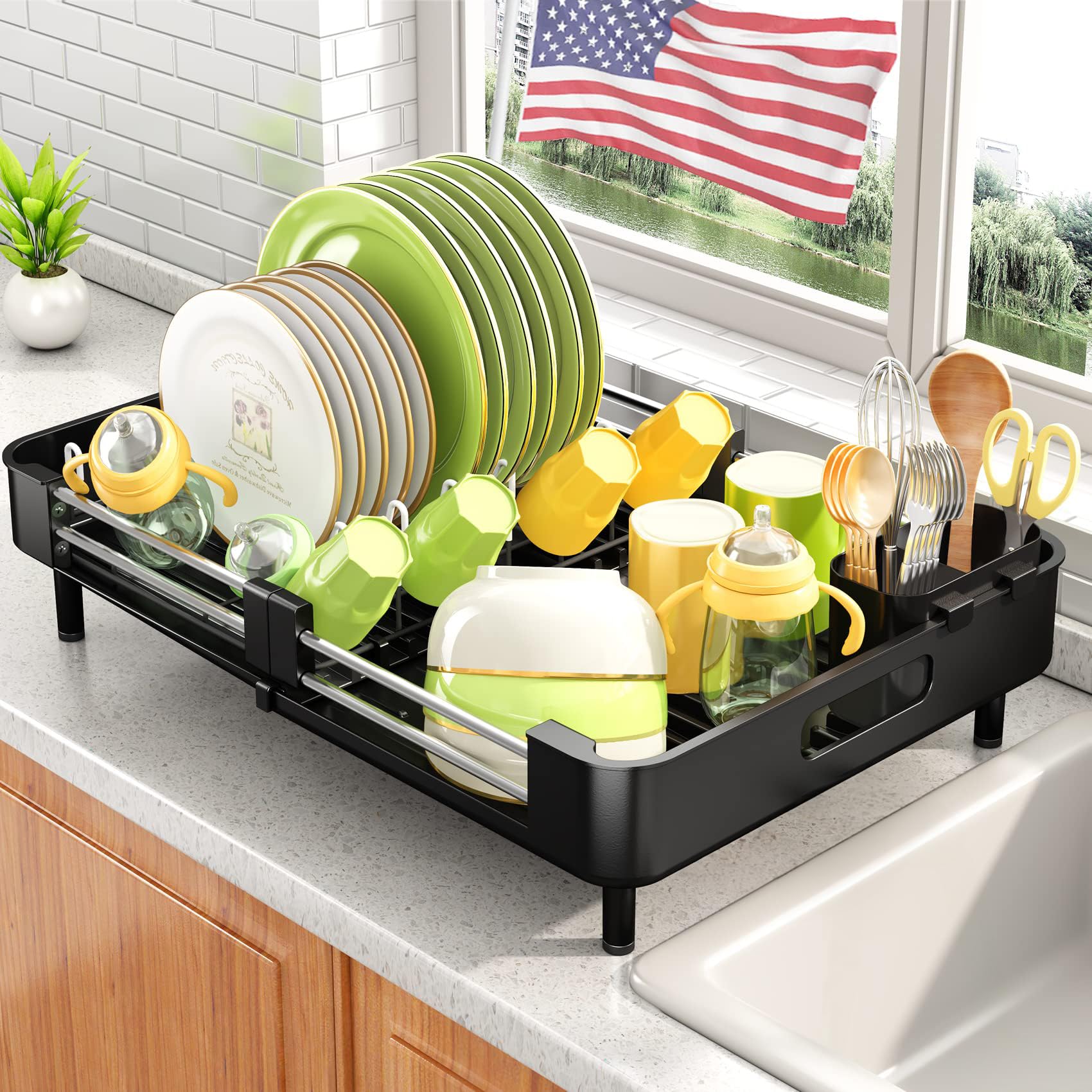
Unpacking the Different Types of Dish Drying Racks
The market is brimming with a diverse array of dish drying rack designs, each tailored to different kitchen layouts and needs. Understanding these varieties is the first step toward finding your perfect match.
Countertop Racks (Traditional)
These are the classic workhorses you’ve likely grown up with. Designed to sit directly on your kitchen counter, traditional racks typically offer substantial capacity and dedicated compartments for various items. They’re often praised for their durability and ability to handle a large volume of dishes, making them ideal for busy households or those without a dishwasher. Many come with a draining board to collect water, keeping your countertops dry.
Over-the-Sink & In-Sink Racks
Short on counter space? Over-the-sink and in-sink racks are ingenious solutions. Over-the-sink models perch above your sink basin, letting water drip directly into the sink, eliminating the need for a separate draining board. In-sink racks, as the name suggests, fit inside one basin of a double sink or can be placed in a single sink for smaller loads. “These types are fantastic for maximizing every inch of a compact kitchen,” notes Emily Watson, an Interior Design Expert. “They free up precious counter real estate, making your kitchen feel more spacious and less cluttered.”
Roll-Up & Foldable Designs
Embodying modern minimalist design, roll-up and foldable dish drying racks are celebrated for their space-saving capabilities. Roll-up versions, often made from silicone-coated metal, can be unrolled over the sink for use and then neatly rolled up and stored in a drawer when not needed. Foldable racks offer a similar convenience, collapsing flat for easy storage. They’re perfect for occasional use or for those who prefer an uncluttered counter aesthetic.
Dish Drying Mats
While not a “rack” in the traditional sense, dish drying mats serve a similar purpose. These absorbent mats lay flat on your countertop, providing a soft surface for dishes to air dry. Some even incorporate a small, removable rack component for added structure. They’re great for delicate items, oddly shaped cookware that won’t fit a standard rack, or as a supplementary drying area.
Two-Tier and Expandable Options
For maximum capacity, two-tier dish drying racks utilize vertical space, offering double the drying area for plates, bowls, and glasses without taking up more counter footprint. Expandable racks, on the other hand, can be adjusted in length to accommodate varying dish loads or counter sizes, providing excellent flexibility.
Diving Into Materials: Which One is Right for You?
The material of your dish drying rack isn’t just about looks; it significantly impacts durability, maintenance, and hygiene.
Stainless Steel
The gold standard for many, stainless steel dish drying racks are renowned for their robustness, sleek, modern appearance, and resistance to rust and corrosion. They are incredibly durable, capable of holding heavy pots and pans without a wobble, and their non-porous surface makes them highly hygienic. While often a pricier investment, their longevity and timeless appeal make them a favorite. “High-quality stainless steel racks are a fantastic long-term investment for any kitchen,” says Michael Lee, a Home Appliance Product Engineer. “They hold up beautifully in humid environments and maintain their appearance for years with minimal effort.”
Plastic
Affordable and lightweight, plastic dish drying racks come in a wide array of colors and designs, offering a budget-friendly and versatile option. They are easy to clean, but it’s important to note that lower-quality plastics can be prone to wear, discoloration, and may retain odors or stains over time. Always look for BPA-free options for safety and longevity.
Bamboo & Wood
For those who lean towards eco-friendliness and a natural, rustic charm, bamboo or wooden dish drying racks are a delightful choice. Bamboo is a sustainable resource and, when properly treated, can be quite water-resistant. However, these materials demand more meticulous care. They must be thoroughly dried after each use to prevent mold growth and warping, which means they might not be the best fit for extremely high-volume dishwashers.
Aluminum & Silicone
Aluminum racks offer a lightweight yet sturdy alternative to stainless steel, boasting natural rust resistance and easy handling. While practical, they might not always match the high-end aesthetic of stainless steel. Silicone, prized for its flexibility and heat resistance, is increasingly used in roll-up racks or as protective coatings. It’s stain and odor-resistant but might not provide the same rigid support as metal options.
Beyond the Basics: Key Factors to Consider Before Buying
Choosing a dish drying rack isn’t a one-size-fits-all decision. Consider these crucial factors to ensure your new kitchen companion is a perfect fit.
What’s Your Kitchen Space Like?
Before diving into styles and materials, take a good, honest look at your kitchen layout. Do you have expansive countertops begging for a full-sized rack, or is every inch precious? Measure the available counter space, consider the height clearances if you’re looking at a two-tier model, and think about whether an over-the-sink or in-sink rack could be a game-changer. A compact kitchen might benefit hugely from a collapsible or roll-up design that tucks away after use, whereas a spacious area can comfortably accommodate larger, more permanent fixtures.
How Many Dishes Do You Actually Wash?
This might seem obvious, but it’s often overlooked. Are you a single individual who hand-washes only a few items a day, or do you have a bustling family that generates a mountain of dishes after every meal? The number and types of dishes you typically wash – from dinner plates and delicate wine glasses to bulky pots and pans – will dictate the required capacity and specific features of your dish drying rack. A larger household will likely need a rack with ample space for various items, potentially a two-tier or expandable model, while smaller households can get by with something more compact.
Does It Drain Properly?
An efficient drainage system is absolutely non-negotiable for any dish drying rack. Why? Because standing water is a breeding ground for bacteria and mildew, leading to unpleasant odors and potentially unsanitary conditions. Look for racks that feature angled drainboards, integrated spouts that direct water directly into your sink, or removable trays that are easy to empty and clean. Proper drainage ensures your dishes dry quickly and hygienically, while also keeping your countertops dry and pristine.
Is It Easy to Keep Clean?
A dish drying rack is constantly exposed to water and food particles, so ease of cleaning is paramount for maintaining hygiene. Opt for models with smooth surfaces, minimal nooks and crannies where grime can accumulate, and removable components that can be easily washed by hand or even in the dishwasher. Materials like stainless steel and high-quality plastic are generally simpler to clean, while bamboo or wood requires a bit more diligent care to prevent mold.
What About Stability and Extra Features?
A good dish drying rack needs to be stable enough to handle a full load of wet dishes without wobbling or tipping over. Look for sturdy construction and anti-slip feet. Beyond the basic structure, consider what additional features would enhance your dishwashing routine. Dedicated utensil holders are a must for keeping silverware organized and allowing it to dry properly. Cup racks, wine glass holders, or adjustable arms for larger pots and pans can add significant convenience and versatility to your chosen rack.
Keeping Your Dish Drying Rack Sparkling: Maintenance Tips
Your dish drying rack works hard, so give it a little love! Regular cleaning is crucial for hygiene and extending its lifespan.
Daily Habits for a Cleaner Rack
Make it a habit to wipe down your rack after each use, especially the drain tray, to prevent water mineral buildup and food residue. For plastic and stainless steel racks, a quick wipe with a soapy cloth and a rinse can go a long way. For bamboo, ensure it’s thoroughly air-dried to deter mold.
Deep Cleaning for Different Materials
Every few weeks, or whenever you notice buildup, give your rack a deep clean. For most materials, a simple solution of warm water and mild dish soap is effective. For tougher stains or odors, a vinegar soak (submerging non-wooden parts for 30 minutes) can sanitize and refresh. Baking soda paste works wonders on greasy spots. Always rinse thoroughly and, crucially, dry completely before returning dishes to it. “Neglecting regular cleaning can turn your dish drying rack into a haven for unwanted microorganisms,” warns Michael Lee. “A little consistent effort ensures it remains a hygienic helper, not a hidden hazard.”
The Undeniable Benefits of a Thoughtfully Chosen Dish Drying Rack
Investing in the right dish drying rack brings a cascade of benefits that elevate your entire kitchen experience.
Kitchen Organization & Clutter Reduction
Say goodbye to disorganized stacks of dishes taking over your counter. A well-designed rack provides a designated, tidy space for everything, keeping your kitchen looking neat and clutter-free.
Hygienic and Efficient Drying
Air drying is not only efficient but also more hygienic than towel drying, as it minimizes the transfer of bacteria. Racks promote optimal airflow, ensuring dishes dry faster and more completely, preventing unsightly water spots and potential microbial growth.
Time-Saving Convenience
No one enjoys hand-drying every single dish. A dish drying rack takes this chore off your hands, freeing up your time for other activities or simply allowing you to step away from the sink sooner.
Aesthetic Enhancement
Modern dish drying racks are designed to be more than just functional; they can genuinely complement your kitchen’s style. From sleek stainless steel to charming bamboo, the right rack can enhance your kitchen’s overall aesthetic, turning a mundane utility item into a subtle design statement.
FAQ
Q: How often should I clean my dish drying rack?
A: For optimal hygiene, aim for a quick wipe-down after each use, especially the drain tray. A thorough deep clean with soap and water, or a vinegar solution, should be performed at least once a week or whenever you notice residue buildup.
Q: Can a dish drying rack really help save space in a small kitchen?
A: Absolutely! Over-the-sink, roll-up, foldable, and two-tier dish drying racks are specifically designed to maximize vertical space and minimize countertop footprint, making them excellent choices for small kitchens where every inch counts.
Q: Are bamboo dish drying racks prone to mold?
A: Bamboo is naturally water-resistant, but like all wood products, it can be prone to mold if not properly cared for. It’s crucial to ensure bamboo racks are thoroughly dried after each use and deep cleaned regularly to prevent moisture buildup and mold.
Q: What’s the best way to prevent rust on a stainless steel dish drying rack?
A: While stainless steel is rust-resistant, it’s not entirely rust-proof. To prevent rust, choose high-quality stainless steel, wipe the rack dry after use, and avoid harsh abrasive cleaners that can damage the protective layer.
Q: Do over-the-sink dish drying racks fit all sinks?
A: Most over-the-sink dish drying racks come with adjustable arms or expandable features to fit a range of sink sizes. However, it’s always best to measure your sink dimensions carefully and compare them with the product specifications to ensure a perfect fit.
Conclusion
A well-chosen dish drying rack is an indispensable ally in the kitchen, offering far more than just a place for wet dishes. It’s a key player in maintaining hygiene, optimizing space, and even enhancing your kitchen’s aesthetic. By considering your kitchen’s unique needs, exploring the diverse types and materials available, and prioritizing thoughtful design and ease of maintenance, you’ll be well-equipped to select a dish drying rack that not only streamlines your daily routine but also stands the test of time, keeping your kitchen sparkling clean and beautifully organized. Choose wisely, and let your dishes air dry in style!