Ever finished washing a stack of dishes, feeling that sparkling sense of accomplishment, only to leave them exposed on an open drying rack? If you’re anything like us, you’ve probably wondered about dust settling, curious pets investigating, or even those pesky fruit flies making an appearance. That’s where the unsung hero of modern kitchens steps in: the Dish Drying Rack With Cover. This innovative kitchen essential isn’t just about drying; it’s about embracing a new standard of cleanliness, organization, and peace of mind right on your countertop.
The Essential Role of Any Dish Drying Rack
Before we dive into the game-changing benefits of a covered model, let’s appreciate why any dish drying rack is a non-negotiable in a well-functioning kitchen. Imagine a world without them – soggy dish towels, cluttered countertops, and dishes stacked precariously. A good dish drying rack ensures your freshly washed items can air dry efficiently, preventing water spots and significantly reducing the spread of bacteria and mold that can thrive in damp environments. They optimize space, keep your kitchen organized, and protect your delicate glassware and ceramics from accidental damage.
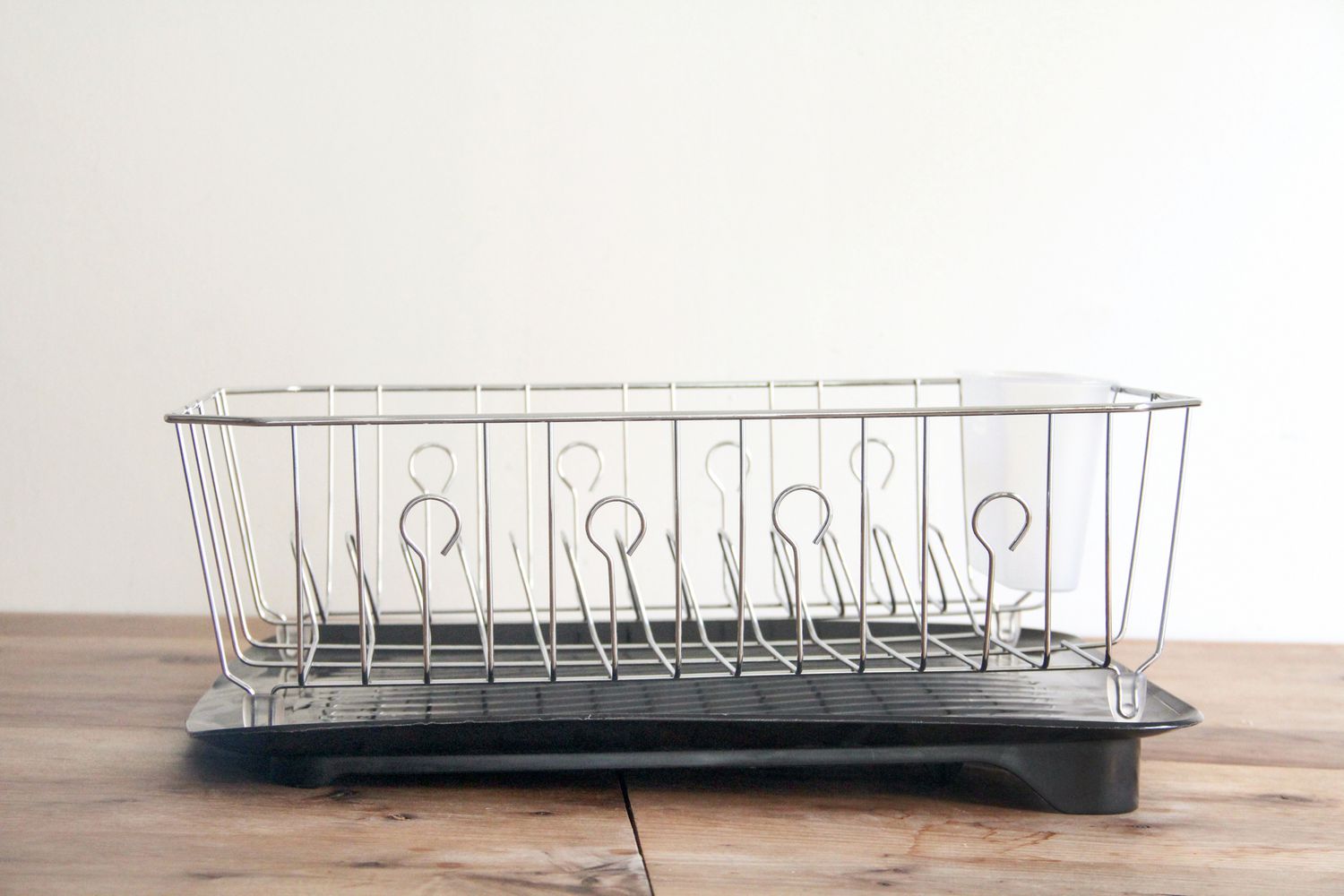
Beyond the Basics: The Distinct Advantages of a Dish Drying Rack with Cover
While traditional dish racks are undeniably useful, adding a cover introduces a whole new level of functionality and benefits, addressing common kitchen concerns head-on.
Enhanced Hygiene and Unmatched Protection
This is where a dish drying rack with cover truly shines. Think about your kitchen environment: dust motes dancing in the air, crumbs from toast, pet hair, or even tiny insects. An open rack leaves your clean dishes vulnerable to these everyday contaminants. A thoughtfully designed cover creates a protective barrier, shielding your plates, glasses, and utensils from dust, airborne particles, and curious household companions.
“Maintaining a pristine kitchen environment extends beyond just washing your dishes,” explains Emily Watson, a renowned interior design expert specializing in functional spaces. “A covered dish drying rack offers an invaluable layer of protection, ensuring that once your dishes are clean, they stay clean throughout the drying process.” This added protection means less worry about re-washing items before their next use, especially for those in busy households or homes with pets.
A Tidier Kitchen Aesthetic
Let’s be honest, even the neatest stack of drying dishes can sometimes look a bit, well, messy. A countertop filled with various pots, pans, and cutlery might detract from your kitchen’s overall aesthetic. A covered dish drying rack offers an elegant solution, discreetly concealing drying items behind a sleek, often translucent, or opaque lid. This instant visual decluttering contributes to a more serene and organized kitchen space, making it feel less chaotic and more inviting. It’s like having a dedicated, invisible drying station.
Optimized Drying Environment
You might wonder if a cover hinders drying. On the contrary, many modern covered dish drying racks are designed with smart ventilation systems. They promote a consistent airflow within the enclosed space, which can actually accelerate the drying process by preventing stagnant moisture. The cover helps to create a micro-environment where air circulates effectively, allowing water to evaporate efficiently while keeping external elements out. This thoughtful engineering means your dishes dry thoroughly and hygienically every time.
Reduced Re-washing and Greater Peace of Mind
How many times have you reached for a “clean” dish from an open rack only to find a layer of dust or a stray pet hair, necessitating a quick rinse before use? With a dish drying rack with cover, that scenario becomes a thing of the past. The protective shield ensures your dishes remain pristine as they dry, saving you time and effort from unnecessary re-washing. This translates into greater efficiency in your daily kitchen routine and, most importantly, enhanced peace of mind, knowing your tableware is ready for use without compromise.
Types of Covered Dish Drying Racks to Consider
The market offers a variety of covered dish drying racks, each catering to different kitchen layouts and needs.
- Countertop Models with Removable Covers: These are the most common, designed to sit directly on your kitchen counter. They often feature clear or frosted plastic covers that can be lifted or slid open. Ideal for those who have ample counter space and prefer a portable solution.
- Over-the-Sink Options with Integrated Covers: Drawing inspiration from the efficient “Finnish dish drying method” (where racks are often integrated into overhead cabinetry above the sink), some designs offer a similar covered concept that sits directly over your sink. These are excellent for maximizing limited counter space, as water drains directly into the sink.
- Compact and Foldable Covered Racks: Perfect for smaller kitchens or minimalist aesthetics, these models can be folded down and stored away when not in use, keeping your countertops clear. The covers often integrate into the collapsible design.
- Two-Tier Covered Racks: For larger households or those who handwash many items, two-tier covered racks offer increased capacity, allowing you to dry more dishes, bowls, and glasses simultaneously while keeping them protected.
Choosing Your Perfect Covered Dish Drying Rack
Selecting the right dish drying rack with cover involves considering several factors to ensure it fits your lifestyle and kitchen.
Size and Capacity: Match Your Household Needs
Think about how many dishes you typically handwash. Are you cooking for one, a family, or do you frequently entertain? A larger, multi-tiered covered rack might be ideal for a bustling household, while a compact, single-tier option could be perfect for smaller living spaces or individuals. Measure your available counter or sink space before purchasing to ensure a perfect fit.
Material and Durability: Built to Last and Protect
Common materials include stainless steel, high-quality plastic, and even treated bamboo.
- Stainless Steel: Known for its rust-resistance, durability, and sleek appearance, stainless steel is a popular choice for both the rack and sometimes the cover’s frame. It’s often easy to clean and maintains its look over time.
- Plastic (Food-Grade): Lightweight and often more affordable, plastic racks with covers are easy to move and clean. Ensure the plastic is food-grade and BPA-free for safety. Look for designs that prevent water pooling to avoid mildew.
- Treated Bamboo: For an eco-friendly and warm aesthetic, bamboo racks can be a good option, provided they are properly treated to resist moisture and mold, especially when enclosed. The cover might be plastic or even bamboo slats.
Ventilation and Drainage: Crucial for Optimal Drying
For a covered rack, effective ventilation is paramount to ensure dishes dry thoroughly and quickly, preventing moisture buildup. Look for designs that feature vents or breathable sections in the cover. A good drainage system, such as a sloped drip tray that directs water into the sink or a removable tray for easy emptying, is also essential to keep your countertops dry and hygienic.
Ease of Cleaning and Maintenance
A dish rack, especially one with a cover, needs regular cleaning to remain sanitary. Choose a model that is easy to disassemble, wipe down, and ideally, has dishwasher-safe components. Smooth surfaces and minimal crevices will make cleaning a breeze, ensuring no hidden spots for grime or mildew to accumulate.
Design and Aesthetics: Complement Your Kitchen Style
Beyond functionality, consider how the rack will look in your kitchen. Whether you prefer a minimalist, modern, or traditional style, there’s a covered dish drying rack to match. A well-chosen design can seamlessly integrate into your kitchen, enhancing its overall appeal rather than detracting from it.
Expert Tips for Maximizing Your Covered Dish Drying Rack
To get the most out of your covered dish drying rack, follow these simple tips:
- Strategic Placement: Position your rack near the sink for easy loading and efficient drainage. If it has a drain spout, ensure it’s directed into the sink to prevent countertop puddles.
- Regular Cleaning Routine: Even though it’s protected, clean your rack and cover frequently with warm, soapy water. “Treat your dish drying rack like any other kitchen utensil that comes into contact with food,” advises Michael Lee, a product engineer in home appliances. “Regular cleaning, especially of the cover and drip tray, is crucial to prevent mineral buildup and ensure optimal hygiene.”
- Optimal Loading: Arrange dishes to allow maximum airflow. Avoid overcrowding. Place larger items and plates vertically, and smaller items like cups and bowls upside down to facilitate drainage. Utilize dedicated compartments for cutlery and special glassware.
- Allow for Air Circulation: While the cover protects, some models benefit from briefly opening the cover after loading a fresh batch of dishes to release initial steam, then closing it for protected drying.
Benefits at a Glance: Why a Covered Dish Drying Rack is a Must-Have
A dish drying rack with cover transforms a mundane kitchen task into a seamless, hygienic, and aesthetically pleasing experience. It’s an upgrade that offers:
- Superior protection from dust, pests, and airborne particles.
- A cleaner, more organized kitchen appearance by concealing drying items.
- An optimized environment that promotes efficient and hygienic drying.
- Reduced need for re-washing, saving time and effort.
- Peace of mind, knowing your dishes are safely drying in a pristine environment.
Frequently Asked Questions (FAQ)
Are covered dish drying racks truly more hygienic?
Yes, absolutely. The cover acts as a barrier, protecting clean dishes from dust, insects, pet hair, and other airborne contaminants that an open rack would expose them to, thus maintaining superior hygiene during the drying process.
Do dishes dry slower with a cover?
Not necessarily. Modern covered dish racks are designed with built-in ventilation systems that promote effective airflow within the enclosure, often leading to efficient and even faster drying compared to stagnant open-air drying, while keeping external elements out.
What materials are best for covered racks?
Stainless steel offers durability and rust resistance, while high-quality, food-grade plastic is lightweight and easy to clean. Treated bamboo provides a natural aesthetic but requires specific care to prevent moisture damage. The best material depends on your priorities for durability, aesthetics, and maintenance.
How often should I clean my covered dish rack?
It’s recommended to clean your covered dish rack at least once a week, or more frequently if you use it daily or notice any residue buildup. Disassemble removable parts and wash with warm, soapy water, ensuring all components, especially the cover and drip tray, are thoroughly cleaned and dried.
Can a covered rack save counter space?
While some countertop models occupy similar footprints to open racks, covered over-the-sink or foldable designs are excellent for saving counter space. Covered racks also make your kitchen appear less cluttered by visually enclosing the drying items, contributing to a more organized feel.
Conclusion
In the dance of daily kitchen life, a dish drying rack with cover stands out as a true game-changer. It’s more than just a place to let your dishes air dry; it’s an investment in a cleaner, more organized, and ultimately more enjoyable kitchen environment. By offering unparalleled protection, promoting superior hygiene, and enhancing your kitchen’s aesthetic, a covered dish drying rack elevates an everyday chore into an act of thoughtful design. So, take a moment to consider your needs, explore the options, and discover how this seemingly simple upgrade can bring a world of difference to your home.