Let’s be honest, few things are as universally annoying in the kitchen as a perpetually wet countertop. You’ve just finished washing dishes, and despite your best efforts, water seems to get everywhere, creating puddles and a breeding ground for mildew. But what if there was a simple, elegant solution? Enter the Dish Drying Rack With Drain Board, a true game-changer for maintaining a tidy and hygienic kitchen. This often-overlooked hero keeps your counters dry, your dishes organized, and your kitchen looking sharp. It’s more than just a place to air-dry; it’s an essential part of an efficient and enjoyable kitchen routine.
Why a Dish Drying Rack with a Drain Board is a Kitchen Essential
In the hustle and bustle of modern life, even those of us with dishwashers often find ourselves hand-washing delicate glassware, oversized pots, or last night’s coffee mugs. This is where a dedicated dish drying rack steps in, but a basic rack without a proper drainage system can still lead to a soggy mess. That’s precisely why a dish drying rack with drain board isn’t just a nice-to-have; it’s a must-have. The integrated drain board captures all the dripping water, directing it neatly into your sink, away from your precious countertops. This not only protects your surfaces from water damage and unsightly stains but also dramatically reduces the risk of mold and mildew growth. It’s about keeping your kitchen cleaner, healthier, and far more pleasant.
Emily Watson, a renowned interior design expert, puts it simply: “A well-chosen dish drying rack with a drain board isn’t just about drying dishes; it’s about preserving the integrity and beauty of your kitchen. It’s a small detail that makes a monumental difference in daily upkeep and overall hygiene.”
Diving into the Different Types of Dish Drying Racks with Drain Boards
Just like every kitchen has its unique personality, so too do dish drying racks. Understanding the various types available, especially those paired with a drain board, will help you find the perfect fit for your space and lifestyle.
Countertop Models (Standard)
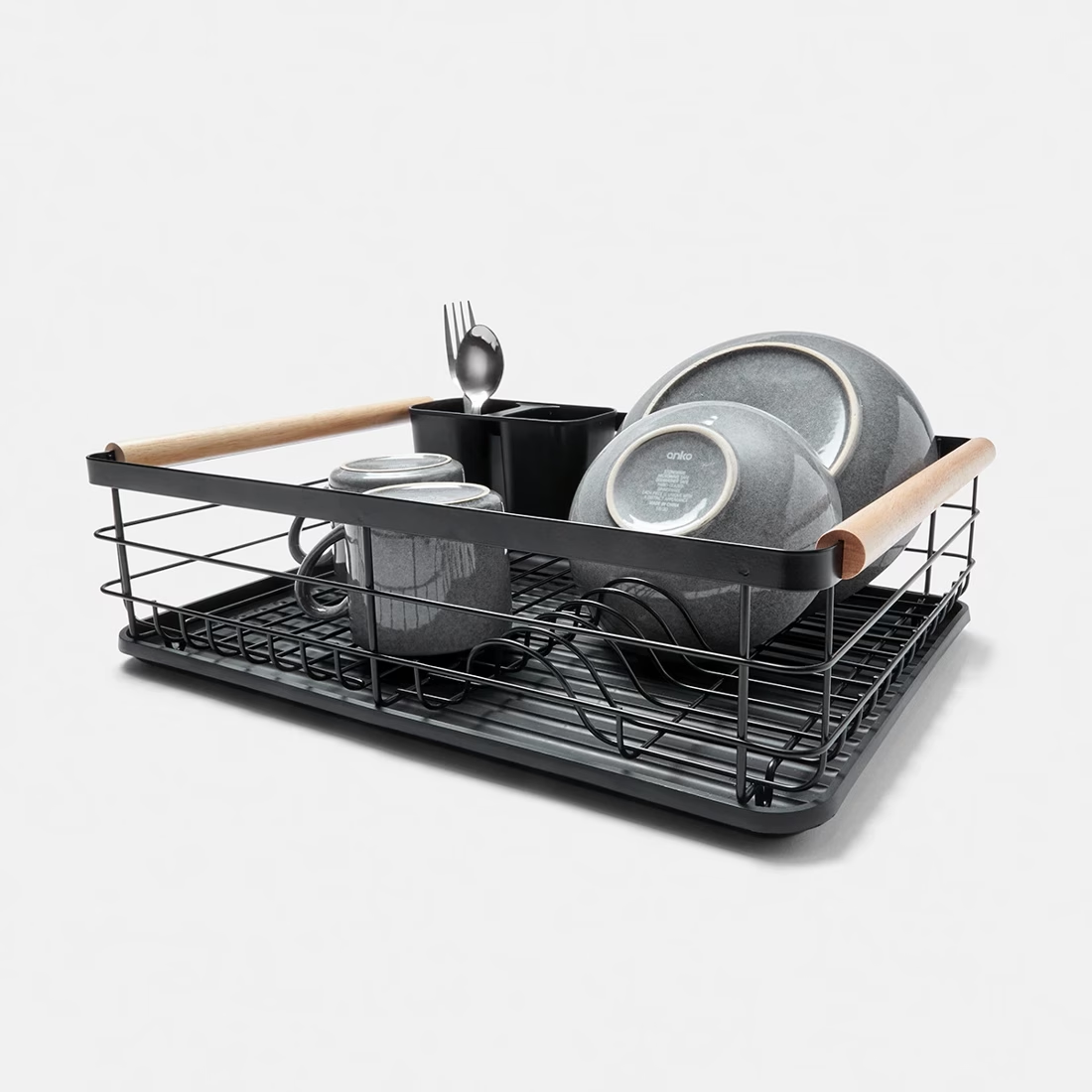
These are the most common type, designed to sit directly on your counter next to the sink. They come in various sizes and configurations, often featuring dedicated slots for plates, cups, and a utensil holder. The integrated drain board typically has a slight slope or a swivel spout that channels water straight into the sink.
- Pros: Easy to set up, highly versatile, often very stable.
- Cons: Occupies counter space, which can be limited in smaller kitchens.
Over-the-Sink Options
Ideal for maximizing counter space, these racks either span across your sink or sit within one basin of a double sink. Many roll-up versions also come with channels that function as a drain board.
- Pros: Frees up valuable counter space, direct drainage into the sink without extra parts.
- Cons: Can obstruct sink access, may not accommodate very large loads.
Multi-Tiered Designs
For households that regularly wash a lot of dishes or have limited horizontal space, a two-tier (or even three-tier) rack can be a lifesaver. These stack dishes vertically, significantly increasing drying capacity.
- Pros: High capacity, excellent for larger families or frequent entertaining.
- Cons: Can be taller and more visually dominant, some might find them less stable if overloaded.
Foldable and Compact Racks
If you only hand-wash occasionally or have a tiny kitchen, a foldable or compact dish drying rack with drain board is a fantastic choice. These can often be tucked away in a cabinet when not in use. Some models even fold flat, allowing the rack itself to act as a drain board for smaller items.
- Pros: Space-saving, perfect for small apartments or occasional use.
- Cons: Lower capacity, may not be as robust as full-sized models.
Choosing Your Perfect Match: What to Consider
Selecting the right dish drying rack with drain board means thinking about more than just aesthetics. It’s about functionality, durability, and how it integrates into your daily kitchen rhythm.
Size and Capacity
Consider your household size and how often you hand-wash. A single person might opt for a compact, foldable design, while a bustling family would benefit from a large, multi-tiered rack.
- Pro Tip: Measure your available counter space next to your sink before you shop. Don’t forget to account for vertical clearance if you’re eyeing a two-tier model.
Material Matters
The material of your dish rack impacts its durability, appearance, and ease of cleaning.
- Stainless Steel: Often a top choice for its rust resistance, sleek look, and sturdiness. It handles heavy pots and pans well and is generally easy to maintain.
- Plastic or Silicone: More budget-friendly and lightweight. High-quality plastics can be durable, and silicone offers flexibility and gentle cushioning for dishes. Look for BPA-free options.
- Coated Metal: Offers a good balance of strength and affordability, with a coating (like vinyl) that protects dishes and countertops from scratches.
- Bamboo or Teak: An eco-friendly and stylish option, bringing a natural warmth to the kitchen. Requires more regular maintenance to prevent mold and water damage.
Drainage System
This is where the “drain board” aspect truly shines.
- Swivel Spouts: These are excellent, allowing you to position the spout in any direction to ensure water flows directly into the sink, regardless of your counter layout. Many popular models feature this.
- Slanted Boards: A simpler, fixed angle design that guides water towards the sink. Ensure the slope is steep enough for efficient drainage.
- Manual Trays: Some drain boards are simply flat trays that collect water, requiring you to manually empty them. While functional, they need more attention to prevent pooling.
Michael Lee, a product engineer specializing in home appliances, advises, “Always prioritize the drainage mechanism. A well-designed drain board, especially one with a swivel spout or a sufficient incline, prevents water stagnation, which is key to a hygienic and dry countertop.”
Durability and Stability
A good dish rack should feel solid, even when fully loaded with dishes, pots, and pans. Look for sturdy construction, strong wires, and non-slip feet to prevent wobbling or accidental spills. This is particularly important for multi-tiered or larger models.
Extra Features You’ll Love
Modern dish drying racks come with thoughtful additions that can greatly enhance their utility:
- Utensil Holders: Often removable and compartmentalized to keep forks, knives, and spoons organized.
- Cup Holders/Wine Glass Racks: Special attachments to securely hang glasses, allowing for optimal air circulation and preventing water spots.
- Cutting Board Slots: Dedicated areas to air-dry cutting boards.
- Side Panels/Guard Rails: Help prevent taller items like glasses from toppling over.
Aesthetics and Kitchen Style
While functionality is paramount, your dish rack should also complement your kitchen’s overall look. Stainless steel offers a contemporary vibe, while bamboo lends a more natural, minimalist feel. Many brands now offer sleek designs that you won’t feel the need to hide away.
Tips for Using and Maintaining Your Dish Drying Rack with Drain Board
Even the best dish drying rack with drain board needs a little love to perform its best and stay looking good.
Optimal Placement
Position your rack as close to the sink as possible, ensuring the drain board’s spout (if it has one) is correctly oriented to direct water into the sink. This is crucial for truly drip-free counters.
Regular Cleaning is Key
To prevent soap scum buildup, mildew, and limescale, clean your dish rack and drain board regularly.
- Drain Board: Remove and wipe down the drain board frequently, especially in hard water areas. Many are dishwasher safe.
- Rack: Use warm soapy water and a brush to get into crevices. For stubborn spots, a mixture of vinegar and baking soda can work wonders. Rinse thoroughly and air dry. This prevents unpleasant odors and ensures your dishes dry hygienically.
Maximizing Space
Load your dishes strategically. Place plates in designated slots, stand cutting boards upright, and hang cups and mugs on external hooks. This allows for optimal airflow, speeding up the drying process. Don’t be afraid to utilize vertical space if your rack offers it.
The Unsung Benefits of a Well-Designed Drain Board System
The drain board is not just an accessory; it’s the core feature that elevates a standard dish rack to a superior kitchen tool. Its purpose goes beyond simply catching drips. A well-designed drain board with an effective drainage system—be it a gentle slope or a sophisticated swivel spout—is a cornerstone of kitchen hygiene and efficiency. It eliminates the stagnant water that can become a breeding ground for bacteria, ensuring that your “clean” dishes are truly clean and free from residue. This thoughtful engineering means less wiping, less worry about water damage, and a consistently dry, sparkling countertop. It’s about bringing peace of mind and effortless tidiness to your daily routine, transforming a mundane chore into a seamless part of your home life.
Frequently Asked Questions about Dish Drying Racks with Drain Boards
Q: Why should I choose a dish drying rack with a drain board over a drying mat?
A: While drying mats are compact, a dish drying rack with drain board offers elevated drying, better airflow for faster drying, and a dedicated system to channel water directly into the sink, preventing water from pooling on your counter.
Q: Are dish drying racks with drain boards prone to rust?
A: High-quality models, especially those made from stainless steel or coated metal, are specifically designed to be rust-resistant. Always check the product specifications for material and rust-proof claims.
Q: Can I put a dish drying rack with a drain board in the dishwasher for cleaning?
A: While some plastic or silicone drain boards may be dishwasher safe, the main rack component (especially metal ones) is typically not. Always refer to the manufacturer’s cleaning instructions.
Q: How do I prevent water spots on my dishes when using a dish drying rack?
A: Using very hot water for the final rinse can help, as the heat encourages faster evaporation. For particularly stubborn spots, a small amount of rinse aid in the wash water can make a difference. Good airflow is also key.
Q: What’s the best type of dish drying rack with drain board for a small apartment kitchen?
A: For small spaces, consider an over-the-sink roll-up rack or a compact, foldable countertop model. These options maximize space or can be easily stored away when not in use.
Q: Do all drain boards automatically drain into the sink?
A: No, not all. Many modern designs feature slanted drain boards or swivel spouts that direct water into the sink. However, some simpler models have flat trays that collect water, which you’ll need to empty manually. Always check the product description for drainage features.
Q: How often should I clean my dish drying rack and drain board?
A: For optimal hygiene and to prevent buildup, it’s recommended to wipe down the drain board daily or every few days, and give the entire rack a thorough cleaning with soap and water at least once a week.
Final Thoughts
A well-chosen dish drying rack with drain board is far more than a simple kitchen accessory; it’s an investment in a cleaner, more organized, and more enjoyable kitchen environment. By understanding the different types, considering materials, and prioritizing effective drainage, you can find a solution that not only meets your practical needs but also complements your kitchen’s style. Don’t let wet countertops dampen your spirits. Take the time to select the perfect dish drying rack with its indispensable drain board, and you’ll wonder how you ever managed without it.