In the whirlwind of a bustling commercial kitchen, efficiency is king, and nowhere is this more evident than in the dish room. After the intense wash cycle, the challenge shifts to drying dishes quickly, hygienically, and in a way that keeps the entire operation flowing smoothly. This is where the unsung hero of commercial kitchens, the Industrial Dish Drying Rack, steps into the spotlight. More than just a place to air-dry dishes, a well-chosen industrial dish drying rack is a strategic investment that can significantly impact your kitchen’s productivity, hygiene standards, and overall organization.
What Exactly is an Industrial Dish Drying Rack?
An industrial dish drying rack is a heavy-duty, purpose-built unit designed to efficiently air-dry a large volume of dishes, glassware, cutlery, pots, pans, and trays in a commercial or institutional setting. Unlike their smaller, often aesthetic counterparts found in homes, these racks are engineered for durability, high capacity, and rigorous sanitation, crucial for environments like restaurants, hotels, cafeterias, and catering businesses. They are constructed to withstand constant use, heavy loads, and frequent cleaning, playing a vital role in the post-wash workflow.
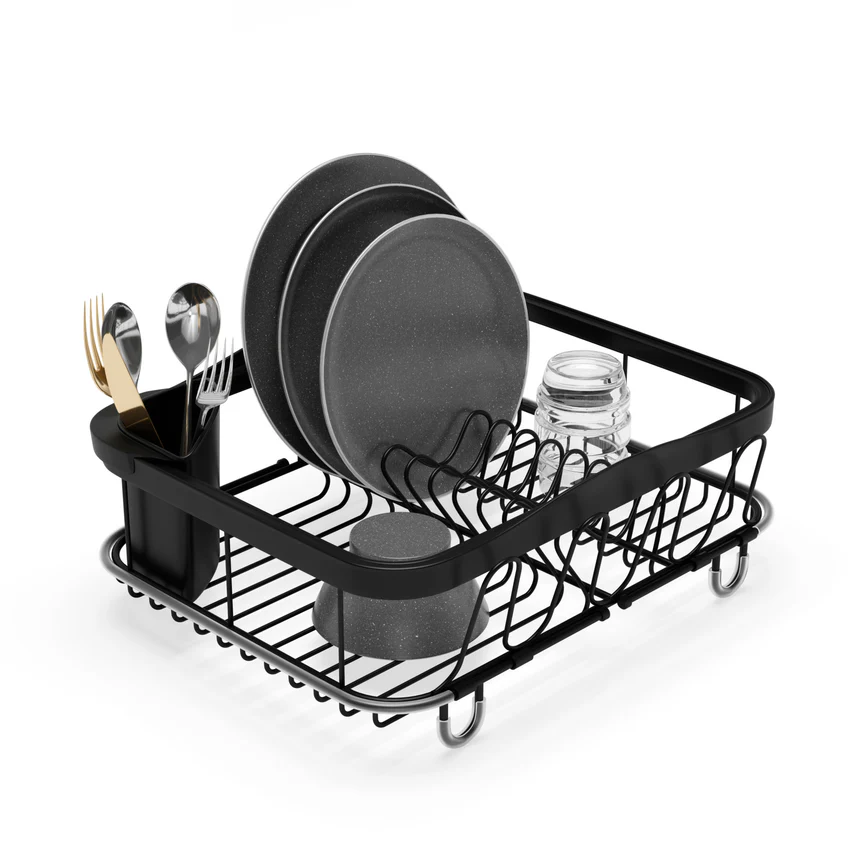
Why Your Commercial Kitchen Needs a Dedicated Industrial Dish Drying Rack
Running a food service establishment means navigating a constant stream of dirty dishes. Relying on towels or limited counter space just won’t cut it. An industrial dish drying rack offers specialized benefits that are indispensable for any commercial kitchen.
Enhanced Hygiene and Food Safety
In commercial kitchens, hygiene is non-negotiable. Industrial dish drying racks are often designed with features that actively promote food safety. Many are NSF-listed, meaning they meet strict public health standards for design and construction. Their open designs facilitate maximum air circulation, preventing “wet nesting” which can lead to mold and bacterial growth on damp dishes. Some even come with antimicrobial coatings on polymer mats to further inhibit microbial development, ensuring your tableware remains sanitary after washing.
Optimized Workflow and Efficiency
Imagine the chaos of overflowing counters or the slow pace of hand-drying hundreds of plates. Industrial drying racks streamline the entire dishwashing process. By providing a dedicated space, staff can load washed items and move on to other tasks, saving valuable labor time and speeding up turnaround for clean dishes. This uninterrupted flow is crucial during peak hours, allowing staff to focus on prep or service rather than being bogged down with drying.
Maximizing Space and Organization
Commercial kitchens are often tight on space. Industrial dish drying racks are designed to maximize vertical storage, holding the capacity of multiple drain boards in a compact footprint. Whether it’s a mobile unit that can be wheeled wherever needed or a wall-mounted system that keeps counters clear, these racks help maintain an organized and clutter-free dish room.
Durability and Longevity
Every piece of equipment in an industrial kitchen needs to be tough. Industrial dish drying racks are built with robust materials like stainless steel or corrosion-resistant polymers, designed to endure the humid, demanding environment of a dish room without rusting, bending, or warping. This durability translates into a longer lifespan for the equipment and less frequent replacement costs.
Types of Industrial Dish Drying Racks: Finding Your Perfect Match
Just as every kitchen has its unique layout and needs, there’s a diverse range of industrial dish drying racks available to suit specific requirements.
Mobile Drying Racks
These racks come equipped with heavy-duty casters, allowing for easy movement throughout the kitchen or between different areas like the washing station and storage. They offer incredible flexibility, enabling you to reconfigure your workspace on the fly and transport large quantities of dried dishes with minimal effort.
Wall-Mounted Drying Racks
Ideal for kitchens with limited floor space, wall-mounted drying racks utilize vertical real estate, keeping counters and floors clear. They are excellent for drying frequently used items like cutting boards, large utensils, or even small pots and pans, providing quick access while saving precious operational space.
Tray Drying Racks
Specifically designed with angled slides or slots, these racks are perfect for air-drying cafeteria trays, sheet pans, and larger platters. The angled design cradles items securely, preventing damage and allowing water to drain effectively.
Peg Racks
Peg racks feature small, upright pegs that securely hold plates, bowls, and irregularly shaped items upright, ensuring maximum water drainage and air exposure. They are a common sight in commercial kitchens due to their versatility and ability to prevent chipping and breakage.
Flat/Universal Racks
With open mesh or grid bottoms, flat racks are highly versatile, accommodating a wide variety of items from pots and pans to larger bowls. They are excellent for general-purpose drying and can often be stacked for compact storage.
Glass Racks
Designed with individual compartments or dividers, glass racks are essential for delicate stemware and glassware. They protect items from shifting and breaking during drying and storage, while still allowing for proper airflow to prevent water spots.
Key Factors to Consider When Choosing an Industrial Dish Drying Rack
Selecting the right industrial dish drying rack is a decision that impacts daily operations. Here’s what to look for:
Material
What materials are best for industrial dish drying racks?
Stainless steel is often recommended for its exceptional durability and corrosion resistance, making it ideal for the humid conditions of a commercial kitchen. Polymer racks are also highly resistant to corrosion and often feature antimicrobial properties, while aluminum is a lightweight and rust-resistant option. Epoxy-coated steel provides a durable, rust-resistant finish for high-wear areas.
Size and Capacity
Consider the volume of dishes your kitchen handles daily. Racks come in various sizes and tiers, from compact models to large mobile units capable of holding hundreds of items. Assess your peak-hour requirements to ensure the rack can handle the load.
Mobility vs. Stationary
Are mobile industrial dish drying racks always the best choice?
Mobile racks on casters offer flexibility, allowing you to move items easily and reconfigure your dish room. However, stationary or wall-mounted options are better for fixed drying stations or when floor space is at a premium. The “best” choice depends entirely on your kitchen’s layout and workflow.
NSF Certification and Hygiene Features
Is NSF certification important for commercial drying racks?
Absolutely. NSF certification indicates that the rack meets strict standards for public health and safety, making it a reliable choice for commercial food service. Look for features like smooth, non-porous surfaces, good drainage, and antimicrobial protection to ensure maximum hygiene.
Customization and Adjustability
Some industrial dish drying racks offer adjustable shelves or modular components, allowing you to reconfigure them to accommodate different sized dishes, pots, or trays. This adaptability can significantly extend the rack’s utility.
Drainage and Airflow
Effective drainage and excellent airflow are paramount for fast, hygienic drying. Racks with open wire designs, slatted shelves, or integrated drip trays that funnel water away are superior choices, preventing water from pooling and promoting quicker evaporation.
Tips for Effective Use and Maintenance of Your Industrial Dish Drying Rack
To get the most out of your industrial dish drying rack and ensure its longevity, follow these practical tips:
- Proper Loading Techniques: Always load dishes upright in peg racks to allow for maximum air exposure and prevent chipping. Don’t overload the rack, as this can hinder drying and potentially damage the unit.
- Regular Cleaning and Sanitization: Treat your drying rack like any other food-contact surface. Regularly clean and sanitize it to prevent the buildup of grime, mold, or bacteria. Many polymer mats and components are dishwasher safe for easy cleaning.
- Inspection for Wear and Tear: Routinely check for any broken pegs, cracked compartments, or signs of corrosion. Damaged parts can compromise hygiene or even scratch your dishware.
- Placement for Optimal Drying: Position your rack in an area with good air circulation, away from excessive moisture, to facilitate faster drying times.
The Undeniable Benefits of a Well-Designed Industrial Dish Drying Rack
Investing in a high-quality industrial dish drying rack yields multiple returns for your commercial operation.
Increased Productivity and Labor Savings
By providing an organized, efficient drying system, staff can quickly transition from washing to other tasks, reducing downtime and labor costs.
Reduced Breakage and Chipping
Specialized racks, especially peg and glass racks, cradle dishes securely, minimizing movement and preventing costly breakages and chips.
Improved Kitchen Aesthetics
A well-organized dish room contributes to a professional and clean kitchen environment, which can be seen by staff and even some customers.
Compliance with Health Standards
NSF-certified racks with good airflow and easy-to-clean materials help you meet stringent health and safety regulations, safeguarding your reputation and avoiding potential fines.
Expert Insights on Elevating Your Dish Room Efficiency
“A robust industrial dish drying rack is more than just a convenience; it’s a foundational element for a truly efficient and hygienic commercial kitchen,” says Emily Watson, a renowned interior design expert specializing in restaurant layouts. “The right rack integrates seamlessly into your workflow, freeing up valuable counter space and reducing bottlenecks.”
Michael Lee, a seasoned product engineer in foodservice equipment, adds, “When selecting an industrial dish drying rack, always prioritize materials like 304 stainless steel or advanced polymers. These offer superior corrosion resistance and are easier to sanitize, which is paramount in preventing cross-contamination and maintaining NSF compliance.”
Frequently Asked Questions
What makes an industrial dish drying rack different from a home one?
Industrial dish drying racks are built for heavy-duty, high-volume use in commercial settings. They feature robust materials like stainless steel and polymers, larger capacities, specialized designs for various ware types (trays, pots, glasses), and often incorporate hygiene features like NSF certification and antimicrobial properties not typically found in residential models.
Is NSF certification important for commercial drying racks?
Yes, NSF certification is highly important. It signifies that the industrial dish drying rack meets strict health and safety standards, ensuring it’s designed and constructed in a way that promotes sanitation and is safe for use in food service environments.
What’s the best material for an industrial dish drying rack?
Stainless steel is widely considered one of the best materials due to its exceptional durability, rust resistance, and ease of cleaning, which are critical in a high-moisture commercial setting. Polymer is another excellent choice, offering corrosion resistance and often including antimicrobial protection.
How often should I clean my commercial drying rack?
Commercial drying racks should be cleaned and sanitized regularly, ideally daily or after each major use, just like other food contact surfaces in your kitchen. This prevents the buildup of food debris, mold, and bacteria, maintaining hygienic standards.
Can industrial drying racks save space in a small kitchen?
Absolutely! Many industrial dish drying racks are designed with space-saving in mind. Options like wall-mounted racks or mobile racks with vertical tiers maximize your kitchen’s vertical space, keeping counters and floors clear, which is crucial in smaller commercial kitchens.
Are mobile drying racks practical for all commercial kitchens?
Mobile industrial dish drying racks are highly practical for most commercial kitchens due to their flexibility in transport and workflow. However, for kitchens with extremely limited movement space or a need for permanent drying stations, stationary or wall-mounted racks might be more suitable.
Conclusion
Choosing the right industrial dish drying rack is a pivotal decision for any commercial kitchen aiming for peak performance and impeccable hygiene. It’s not merely about drying dishes; it’s about investing in a system that enhances efficiency, optimizes space, upholds stringent health standards, and ultimately contributes to the seamless operation of your entire food service establishment. By carefully considering the types, materials, and features discussed, you can select an industrial dish drying rack that serves as a robust, long-lasting asset, transforming your dish room from a chore zone into a hub of productivity. Make this strategic investment, and watch your kitchen’s workflow dry up the competition.