Oh, the humble dish drying rack! It’s one of those kitchen essentials we often don’t give a second thought to—until it starts to betray us. You know the drill: that dreaded reddish-brown stain appearing at the joints, slowly creeping across your once-pristine kitchen counter. It’s not just an eyesore; it’s a sign that your dish rack is falling victim to rust, making it less hygienic and frankly, a bit sad to look at.
But here’s the good news: a Rust Proof Dish Drying Rack isn’t a mythical creature. It’s a real, tangible solution that can transform your kitchen cleanup routine, keeping things sparkling and worry-free. Let’s dive into everything you need to know to pick a true kitchen champion that stands the test of time, moisture, and countless washes.
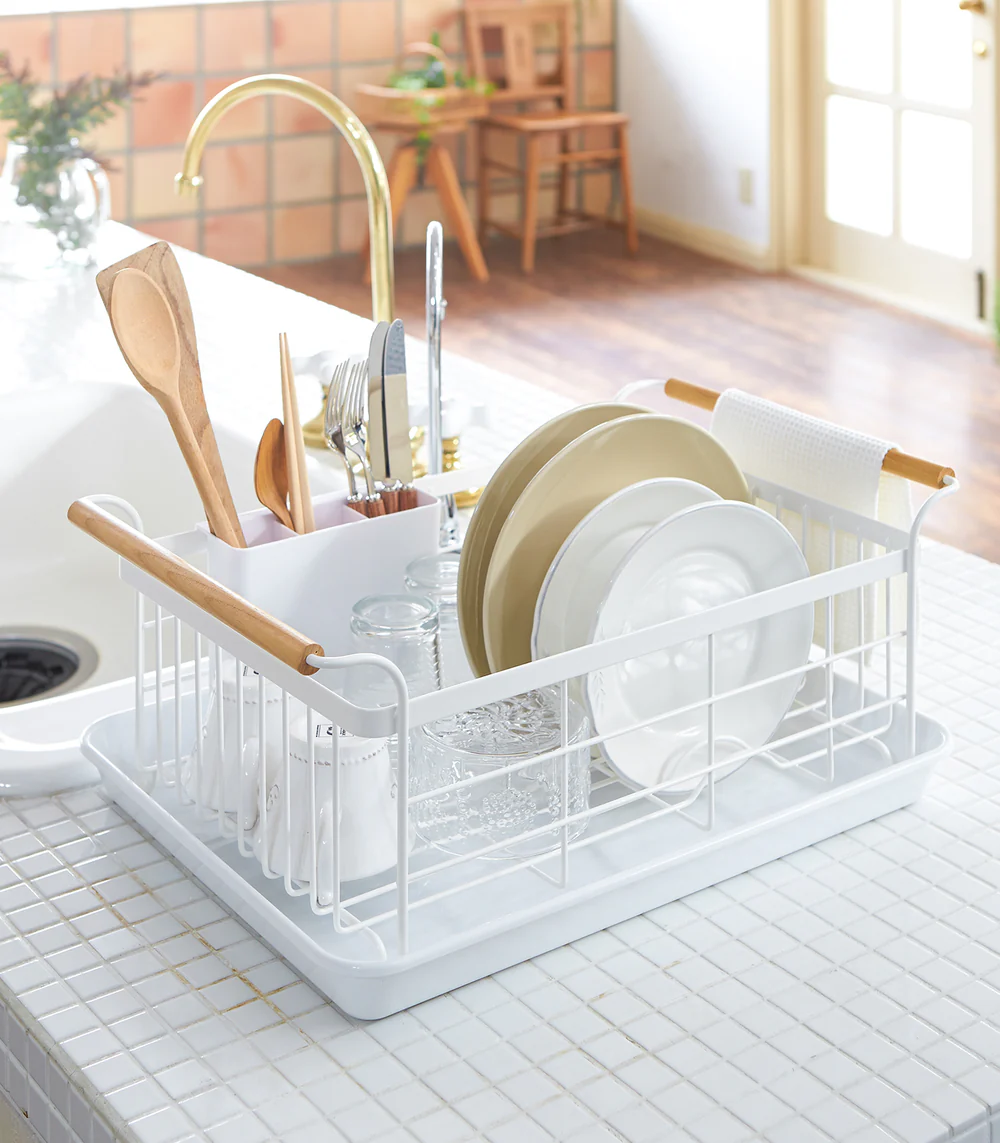
Why Rust Is the Uninvited Guest in Your Kitchen
Nobody wants rust. It’s not just about aesthetics; rust can harbor bacteria and weaken the structure of your dish rack, turning a helpful tool into a health hazard. Think about it: water, metal, and air are a potent cocktail for oxidation. In a busy kitchen, where water is a constant presence, traditional metal racks often don’t stand a chance without the right materials or coatings. You deserve better than a rusty old relic taking up prime counter space.
The Dish Drying Rack Landscape: Materials That Defy Rust
When you’re on the hunt for a rust proof dish drying rack, the material is your first and most crucial consideration. Different materials offer varying levels of rust resistance, durability, and aesthetic appeal.
Stainless Steel: The Sleek, Durable Contender
Stainless steel is often the first material that comes to mind when you think “rust proof,” and for good reason. It’s robust, boasts a modern, sleek appearance, and naturally resists rust and corrosion, making it ideal for humid kitchen environments. What’s more, its non-porous surface helps keep bacterial growth at bay, ensuring your dishes dry hygienically.
However, here’s a little secret: not all stainless steel is created equal. To truly get a rust proof dish drying rack, you need to opt for high-quality grades. Even then, if water is allowed to pool and sit for extended periods, or if the surface gets scratched deeply, rust can still make an unwelcome appearance. So, while it’s a top choice, it still appreciates a little love and care.
Aluminum: The Lightweight, Naturally Resistant Ally
If you’re looking for something sturdy yet easy to handle, aluminum is a fantastic option. This metal naturally resists rust, meaning you won’t have to worry about corrosion. It’s also incredibly lightweight, making it easy to move or store when you need to clear your counter.
While aluminum racks might not always share the same high-gloss finish as their stainless steel cousins, they often come in a wider variety of colors, adding a pop of personality to your kitchen. Just a heads-up: aluminum can sometimes show water spots more readily than other materials, but that’s a small price to pay for its inherent rust-defying qualities.
Plastic: The Budget-Friendly, No-Rust Noodle
Ah, plastic. It’s everywhere, isn’t it? And for dish racks, it’s a truly rust-proof option because, well, plastic doesn’t rust! These racks are usually the most affordable, incredibly lightweight, and super easy to clean. They’re a practical, low-effort choice that often comes in a rainbow of designs.
The main trade-off with plastic is durability. Lower-quality plastics can become brittle, crack, warp under heat, or even hold onto odors and stains over time. If you go this route, aim for high-quality, BPA-free plastics with sturdy construction for a longer-lasting, truly reliable rust proof dish drying rack.
Silicone: The Flexible, Gentle Guardian
Silicone dish racks and mats are gaining popularity, and it’s easy to see why. This material is incredibly flexible, heat-resistant, and completely impervious to rust. Plus, it’s wonderfully gentle on your delicate dishes and glassware, preventing scratches and chips. Many silicone options are foldable or roll-up, making them champions for compact storage.
While they might not offer the same rigid support as a metal rack for very heavy pots, their flexibility and rust-free nature make them excellent for smaller loads, especially for drying items directly over the sink.
Beyond the Basics: Other Rust-Resistant Options
- Chrome-plated Steel: This material offers the strength of steel with an attractive, shiny chrome finish that resists rust. It looks elegant, but the chrome plating needs regular cleaning to maintain its luster, and if the coating chips, rust can eventually appear underneath.
- Carbon Steel (with coating): While carbon steel on its own is prone to rust, many modern dish racks use carbon steel with a protective, rust-inhibiting coating. These can be very durable and strong, often at a more accessible price point than stainless steel, but rely heavily on the integrity of their coating.
- Bamboo/Wood: For those seeking an eco-friendly vibe, bamboo offers natural charm. While bamboo has antimicrobial properties, it’s porous and requires diligent drying and occasional oiling to prevent mold and cracking, as it’s not inherently rust-proof.
- Diatomaceous Earth Mats: These innovative “stone mats” are ultra-absorbent, durable, and naturally antibacterial and anti-mold. They serve as a fantastic, completely rust-proof alternative to traditional racks for drying dishes.
Choosing Your Rust-Proof Companion: Factors to Consider
Finding the perfect rust proof dish drying rack is more than just picking a material; it’s about finding the right fit for your unique kitchen and lifestyle.
Size and Kitchen Space
Your kitchen’s footprint plays a huge role.
- Over-the-sink racks are brilliant for small kitchens, maximizing vertical space.
- Collapsible or roll-up designs (often silicone or aluminum) can be tucked away neatly when not in use, keeping your countertops clutter-free.
- Multi-tiered racks offer ample drying space without taking up too much horizontal room, perfect for larger households.
Maintenance Commitment
How much effort are you willing to put into upkeep?
- Plastic and silicone racks are generally the lowest maintenance, often dishwasher-safe.
- Stainless steel and aluminum benefit from regular wiping to prevent water spots and ensure long-term rust resistance.
- Bamboo, while beautiful, requires the most care, needing thorough drying after each use and occasional oiling to stay in top shape.
Aesthetics and Kitchen Style
Your dish rack can either blend in or stand out.
- Stainless steel and chrome-plated options offer a modern, polished look.
- Bamboo provides a warm, natural, and rustic feel.
- Plastic racks come in a wide array of colors, allowing for a fun or minimalist statement.
Budget
Price often reflects material quality and features.
- Plastic is typically the most budget-friendly.
- Aluminum offers a mid-range option with excellent rust resistance.
- High-grade stainless steel and feature-rich designs are usually at the higher end, representing a longer-term investment.
Hygiene and Ease of Cleaning
A clean rack means clean dishes. Non-porous materials like stainless steel are inherently more hygienic. Regardless of the material, a good rust proof dish drying rack should be easy to clean weekly. Features like removable drain trays, smooth surfaces, and minimal crevices will make this task a breeze.
Tips for a Rust-Free Future (Usage & Care)
Even the most robust rust proof dish drying rack can benefit from a little tender loving care.
- Clean Regularly: Aim for weekly cleaning. A simple wash with soap and water works for most, while a vinegar soak can tackle mineral buildup. For stainless steel, a paste of baking soda and water can gently remove minor blemishes without scratching.
- Dry Thoroughly: This is key! Don’t let water pool in trays or on the rack itself. Wiping down your rack after use, especially metal ones, significantly extends its rust-free life.
- Avoid Abrasives: For coated racks (like chrome-plated or carbon steel with protective layers), harsh scrubbing or abrasive cleaners can damage the coating, inviting rust.
- Check for Wear: Periodically inspect your rack for any scratches, chips, or signs of wear, especially on coated metals. Addressing these early can prevent bigger problems down the line.
As Emily Watson, an interior design specialist, often says, “A functional kitchen is a beautiful kitchen. And a truly rust proof dish drying rack isn’t just about utility; it’s about investing in peace of mind and maintaining that fresh, clean aesthetic you worked so hard to create.”
Frequently Asked Questions
Q: Can stainless steel dish racks truly be rust proof?
A: While high-quality stainless steel is highly rust-resistant, it can develop rust if water sits on it for too long or if the surface is scratched. Regular drying and cleaning are important to maintain its rust-proof qualities.
Q: Are plastic dish racks more hygienic than metal ones?
A: Plastic racks are rust-proof and easy to clean, but lower-quality plastics can sometimes trap food particles or odors in textured surfaces. Stainless steel, being non-porous, is also very hygienic as it prevents bacterial growth. Proper cleaning is key for any material.
Q: What is the most eco-friendly rust proof dish drying rack material?
A: Bamboo is a highly sustainable and biodegradable option, making it very eco-friendly. However, it requires more maintenance to prevent mold. Silicone is also a good option, as it’s durable and long-lasting, reducing waste.
Q: How often should I clean my dish drying rack to prevent rust and mold?
A: Ideally, you should clean your dish rack weekly. For bamboo racks, wipe them dry after each use to prevent mold.
Q: Will aluminum dish racks rust over time?
A: Aluminum does not rust like steel. It is naturally rust-resistant. However, it can corrode or show water spots over time if not regularly cleaned and dried.
Q: What features should I look for in a rust proof dish drying rack for a small kitchen?
A: For small kitchens, consider features like collapsible designs, over-the-sink options, or multi-tiered racks that offer vertical storage. A built-in drain spout to direct water directly into the sink is also a fantastic space-saving and mess-preventing feature.
Conclusion
Choosing the right rust proof dish drying rack might seem like a small decision in the grand scheme of kitchen design, but it can make a world of difference to your daily routine and the overall hygiene and aesthetics of your space. Whether you’re drawn to the modern resilience of stainless steel, the lightweight practicality of aluminum, the straightforward simplicity of plastic, or the gentle flexibility of silicone, there’s a perfect solution waiting for you.
By understanding the unique properties of each material and considering your kitchen’s needs and your personal maintenance style, you can confidently select a dish rack that not only looks great but also stands strong against the inevitable forces of moisture. Invest wisely, and you’ll enjoy a cleaner, more organized, and truly rust-free kitchen experience for years to come!