Ever feel like your kitchen counter is perpetually battling a mountain of wet dishes, turning your serene space into a chaotic battlefield? You’re not alone. Many of us grapple with dish drying dilemmas, wishing for a solution that combines practicality with a touch of elegance. This is where the Japanese dish drying rack steps in, offering a breath of fresh air and a smart approach to post-meal cleanup. Far from being just a utilitarian item, a Japanese dish drying rack embodies a philosophy of design that prioritizes efficiency, minimalism, and lasting quality, promising to transform your kitchen experience.
|
Our Picks for the Best Dish Drying Rack in 2026
As an Amazon Associate I earn from qualifying purchases.
|
||
| Num | Product | Action |
|---|---|---|
| 1 | KitchenAid Large Capacity Full Size Rust Resistant Dish Rack with Angled Drain Board and Removable Flatware Caddy, Light Grey |

|
| 2 | Kitsure Dish Drying Rack for Kitchen Counter, Stainless Steel Sink Organization and Storage Essentials with Cutlery Holder, Home and Appartment Decor, 12\'\'W x 15.5\'\'L, Black |
|
| 3 | Kenmore Loxdell Expandable Full Size Rust Resistant Dish Rack with Drain Board and Flatware Caddy |
|
| 4 | SNTD Dish Drying Rack, Expandable Dish Rack for Kitchen Counter, Stainless Steel Dish Drainer with Drainboard Set and Utensil Holder (Black) |
|
| 5 | Chicmount 6 Pcs Kitchen Organizer Accessories Set 2 Tier Bamboo Collapsible Dish Drying Rack with Utensil Holder Dish Drying Plate Rack and Mat for Cabinet Pot Lid, Bowl, Cup, Chopsticks, Utensils |
|
| 6 | Kitsure Large Dish Drying Rack - Extendable Dish Rack, Multifunctional Dish Rack for Kitchen Counter, Anti-Rust Dish Drainers with Cutlery & Cup Holders 19.2\"-26.7\" L x 12.9\" W, Black |
|
| 7 | 7 code Large Dish Drying Rack for Kitchen Counter, Detachable Large Capacity Dish Drainer Organizer, 2-Tier Dish Racks with Utensil Holder, Black |
|
| 8 | SAYZH Dish Drying Rack - Stainless Steel Dish Rack for Kitchen Counter, Large-Capacity Dish Drainer with Cutlery Holder, Kitchen Organizer for Dishes, Spoons and Forks, Black |
|
| 9 | SNTD Dish Drying Rack - Extendable Dish Rack, Large Sink Drying Dish Drainer for Kitchen Counter, Stainless Steel Dish Strainer with Utensil Holder (Black) |
|
| 10 | Urackify Dish Drying Rack - Extendable Dish Drainer, Large Dish Rack for Kitchen Counter, Rustproof Dish Strainer with Utensil Holder and Cups Holder, 1 Tier Black |
|
What Makes a Japanese Dish Drying Rack Unique?
The appeal of Japanese kitchenware, including dish drying racks, lies in its thoughtful design, which seamlessly blends form and function. It’s about creating harmony in your home, even down to the most mundane tasks.
Embracing Minimalism and Elegance
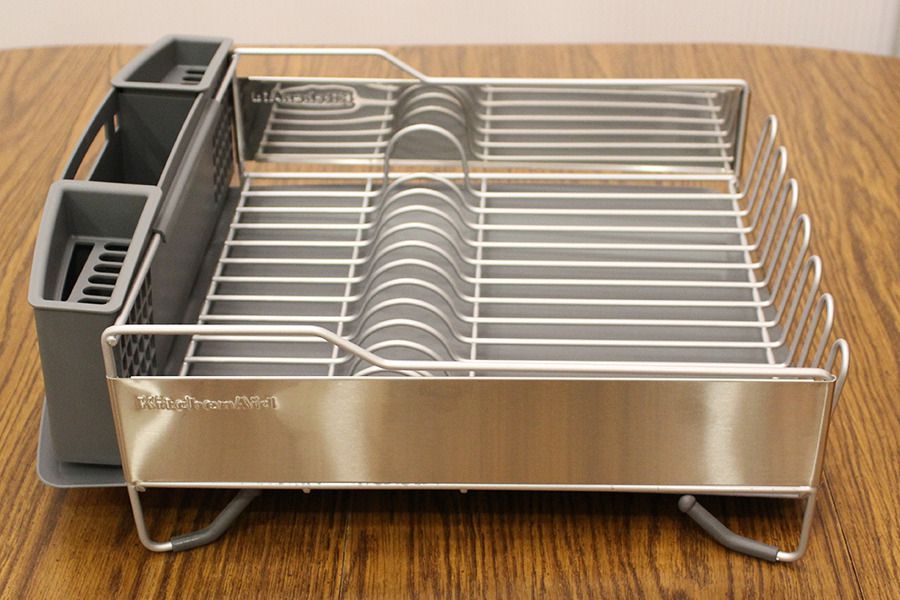
Japanese design is renowned for its minimalist approach. You won’t find excessive ornamentation or unnecessary bulk here. Instead, a Japanese dish drying rack features clean lines, often in muted tones or natural material finishes, allowing it to integrate effortlessly into any kitchen décor, from sleek modern to warm traditional. “True elegance in design is often about what you remove, not what you add,” notes Emily Watson, a seasoned interior design expert. “Japanese dish racks exemplify this by focusing on essential forms that enhance, rather than detract from, your kitchen’s aesthetic.”
Masterful Space-Saving Designs
One of the most compelling aspects of Japanese living is the ingenious use of space, and this principle shines brightly in their dish drying rack designs. Japanese kitchens, often more compact than their Western counterparts, demand solutions that maximize every inch. These racks are often engineered to be incredibly space-efficient, offering features like multi-tiered structures, foldable frames, or over-the-sink placements. This clever optimization means you can keep your countertops clutter-free, providing more room for cooking, meal prep, or simply enjoying an uncluttered environment.
Durability Meets Thoughtful Craftsmanship
When you invest in a Japanese dish drying rack, you’re investing in longevity. These aren’t flimsy, disposable items. Instead, they are typically crafted from high-quality materials designed to withstand the humidity of a kitchen environment and years of daily use. Expect sturdy stainless steel, powder-coated metals, or eco-friendly treated bamboo. This commitment to robust construction ensures your rack remains a reliable and hygienic partner in your kitchen for a long time.
Types of Japanese Dish Drying Racks for Every Kitchen
Just like every home is different, so are the perfect dish drying solutions. Japanese design offers a variety of styles to suit diverse needs and kitchen layouts.
Over-the-Sink Racks: Maximizing Vertical Space
For kitchens where counter space is a precious commodity, over-the-sink Japanese dish drying racks are a game-changer. These intelligent designs sit directly above your sink, allowing washed dishes to drip dry straight into the basin. This eliminates the need for a separate drainer tray on your counter, keeping your work surfaces dry and available. They often come with adjustable widths, making them versatile enough to fit various sink sizes.
Countertop Wonders: Blending Form and Function
Even traditional countertop racks receive a Japanese design upgrade. These models typically feature sleek profiles and integrated, often removable, drainer trays or innovative drainage spouts. The focus remains on maintaining a tidy appearance while providing ample space for drying. They are usually compact, balancing capacity with a minimal footprint, a hallmark of excellent Japanese kitchenware.
Foldable & Expandable Options: Flexibility at its Best
Life happens, and sometimes you need extra drying space, while other times you want your rack to disappear. Foldable and expandable Japanese dish drying racks offer this versatility. Bamboo options are particularly popular for their eco-friendliness and ability to fold flat for easy storage in a cabinet or drawer when not in use. Expandable stainless steel models provide temporary extra capacity for larger loads, proving that flexibility doesn’t mean compromising on style.
Multi-Tier Designs: Stacking Smartly
When horizontal space is limited, go vertical! Multi-tier Japanese dish drying racks cleverly utilize height to provide more drying capacity. With two or even three levels, you can separate plates, bowls, cups, and utensils efficiently. These designs are often found in sturdy wire or steel constructions, ensuring stability even when fully loaded.
Choosing Your Perfect Japanese Dish Drying Rack
Selecting the ideal Japanese dish drying rack involves considering a few key factors to ensure it perfectly complements your kitchen and lifestyle.
Material Matters: Stainless Steel, Bamboo, or ABS?
The choice of material impacts both aesthetics and durability.
- Stainless steel offers exceptional rust resistance, a sleek modern look, and is incredibly sturdy, making it a popular choice for many Japanese-inspired designs.
- Bamboo provides a natural, warm aesthetic, often associated with eco-friendliness and traditional Japanese motifs. It’s lightweight and often foldable, but requires proper drying to prevent mold.
- ABS plastic (or similar durable plastics) can be found in minimalist designs, offering ease of cleaning and often a lighter weight, sometimes combined with metal elements.
Size and Capacity: Fit for Your Lifestyle
Before purchasing, measure your available counter or sink space. Consider your typical dish load. Do you handwash just a few delicate items daily, or do you need to dry a full family meal’s worth of dishes? Japanese racks come in various sizes, from compact models perfect for small apartments to larger, multi-purpose units.
Drainage Systems: Keeping Your Counters Dry
An effective drainage system is crucial. Look for features like removable drainer trays that collect water, angled bases that funnel water into the sink, or swivel spouts that allow you to direct the drainage precisely. A well-designed system prevents stagnant water and keeps your countertops hygienic and dry.
Additional Features: Utensil Holders and More
Many Japanese dish drying racks come with thoughtful extras. Detachable utensil holders keep forks, knives, and chopsticks organized. Some include dedicated slots for cutting boards, hooks for glasses, or even small baskets for sponges. These details enhance functionality and contribute to a truly organized space.
Expert Tips for Using and Maintaining Your Dish Rack
To ensure your Japanese dish drying rack serves you well for years, a little care goes a long way.
Keeping it Clean: Simple Habits for Longevity
Regular cleaning is key. For stainless steel or plastic racks, a quick wipe-down with soapy water and a rinse will prevent mineral buildup and grime. For bamboo racks, always ensure they are thoroughly dried after use to prevent mold. Many racks come with removable parts, making deep cleaning much easier. “A clean rack isn’t just about hygiene; it’s about maintaining the aesthetic appeal that drew you to Japanese design in the first place,” advises Michael Lee, a product engineer specializing in home goods.
Maximizing Efficiency: Loading Your Rack Like a Pro
Think strategically when loading your rack. Place larger items like plates and bowls on the main rack, leaving smaller items for designated holders or lower tiers. Angle plates slightly to allow water to run off more easily. Utilize vertical space where possible, stacking similar items neatly. This not only speeds up drying but also maintains the organized look.
The Aesthetic Advantage: Integrating Japanese Design into Your Home
A Japanese dish drying rack isn’t just about drying dishes; it’s about embracing a lifestyle that values order, tranquility, and beauty in everyday objects.
A Touch of Zen: How a Dish Rack Elevates Your Kitchen
By choosing a Japanese dish drying rack, you’re consciously opting for a piece that promotes visual calm. Its clean lines and understated presence reduce visual clutter, fostering a more peaceful kitchen environment. This subtle shift can influence the entire feel of your space, making mundane chores feel a little less, well, mundane. It’s about finding beauty in utility.
Embracing the Japandi Style
The “Japandi” trend, a harmonious fusion of Japanese minimalism and Scandinavian functionality, perfectly encapsulates the appeal of these dish racks. They fit effortlessly into this aesthetic, which celebrates natural materials, muted color palettes, and a deep appreciation for craftsmanship and purposeful design. A Japanese dish drying rack isn’t just an accessory; it’s a statement about a curated, mindful home.
FAQ: Your Burning Questions Answered
Have more questions about Japanese dish drying racks? We’ve got you covered.
What are the key materials used in Japanese dish racks?
Japanese dish drying racks commonly use durable materials like stainless steel for its rust resistance and sleek look, natural bamboo for an eco-friendly and warm aesthetic, and high-quality ABS plastic for lightweight and easy-to-clean options. These materials are chosen for their longevity and ability to blend with minimalist designs.
Are Japanese dish drying racks good for small kitchens?
Absolutely! Japanese dish drying racks are exceptionally well-suited for small kitchens. Their designs prioritize space-saving, offering options like over-the-sink, multi-tiered, and foldable models that maximize vertical space and minimize countertop footprint, helping to keep compact kitchens organized and clutter-free.
How often should I clean my dish drying rack?
For optimal hygiene and to prevent water stains or mold buildup, it’s recommended to clean your dish drying rack at least once a week. If you live in a humid environment or use it heavily, more frequent cleaning might be beneficial. Many designs feature removable parts to make this process simple and quick.
Can I put heavy pots and pans on these racks?
Many Japanese dish drying racks, particularly those made from sturdy stainless steel or robust metal frames (like Yamazaki Home models), are designed to handle heavy items like pots and pans. Always check the product specifications or reviews for weight capacity, but generally, their solid construction allows for reliable support.
What is the “Japanese aesthetic” in kitchenware?
The “Japanese aesthetic” in kitchenware emphasizes simplicity, functionality, and a deep respect for natural materials and craftsmanship. It translates to clean lines, minimalist forms, muted colors, and clever space-saving solutions. The goal is to create objects that are both highly practical and visually serene, fostering harmony in the home.
Elevate Your Kitchen with Intentional Design
Choosing the right dish drying rack might seem like a small decision, but in the world of Japanese design, every detail contributes to the overall sense of peace and efficiency in your home. A Japanese dish drying rack is more than just a place for your plates; it’s an invitation to embrace thoughtful living, clear countertops, and a kitchen that truly feels like a sanctuary. So, take a moment to consider your needs, explore the elegant options available, and find the perfect japanese dish drying rack that will bring both beauty and brilliant functionality to your culinary space.